


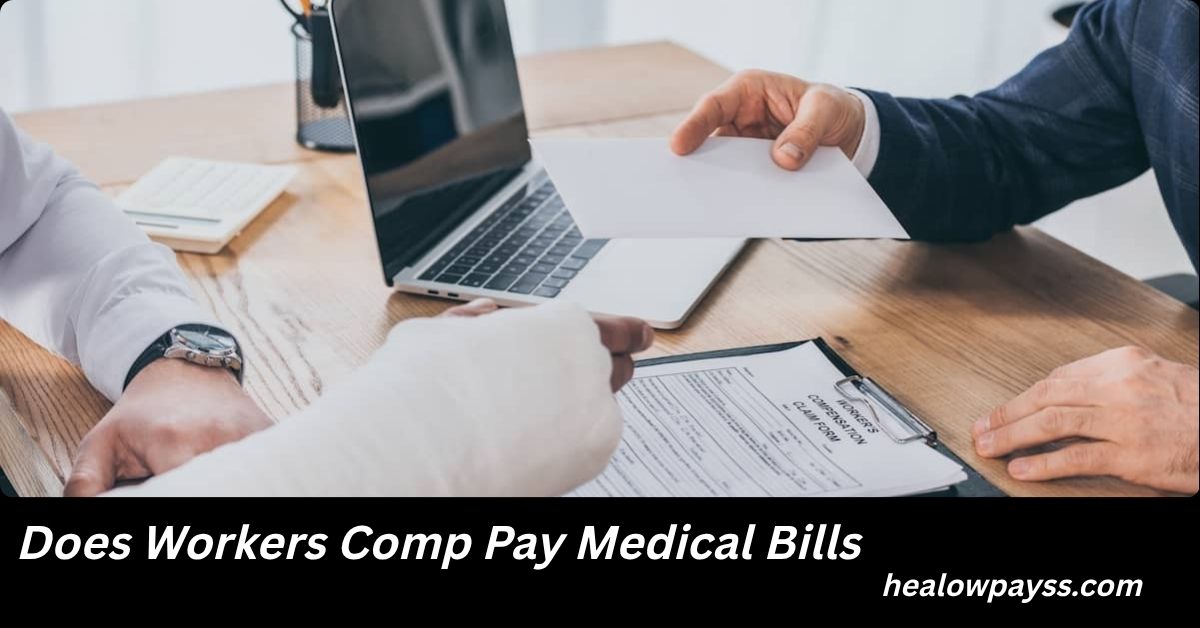
Workplace injuries can happen when you least expect them. Whether it’s a slip, a fall, or a repetitive stress injury, one of the first questions that comes to mind is simple and important: does workers comp pay medical bills?
This question matters because medical treatment in the United States can be expensive. Knowing what workers’ compensation covers can help you feel more secure and prepared if an injury happens at work.
In this complete guide, you will learn everything you need to know about how workers’ compensation works, what medical costs it covers, what it does not cover, and how to make sure your bills are paid correctly.
What Is Workers’ Compensation?
Workers’ compensation is a type of insurance that employers must provide in most U.S. states. It helps employees who get injured or sick because of their job.
If you qualify, workers’ comp can pay for:
- Medical treatment
- Lost wages
- Rehabilitation services
- Disability benefits
The goal is simple: help injured workers recover without worrying about money.

Does Workers Comp Pay Medical Bills?
Yes, in most cases, workers’ compensation does pay medical bills related to a work injury or illness.
If your injury happened while doing your job, workers’ comp usually covers the cost of:
- Doctor visits
- Hospital stays
- Surgery
- Medications
- Physical therapy
So, if you are asking, does workers comp pay medical bills, the answer is yes—but only if your injury is work-related and your claim is approved.
Does Workers Comp Pay for Medical Bills in Full?
This is where things get more detailed.
Workers’ comp often pays 100 percent of necessary medical treatment, but there are some conditions:
Also Read: Application Mobile DualMedia: Complete Guide to Features, Benefits, and Future Trends
- The treatment must be approved
- The provider may need to be within a network
- The care must be related to the work injury
So while many people ask, does workers comp pay all medical bills, the better answer is: it pays all approved and necessary medical expenses.
What Medical Expenses Are Covered?
Workers’ compensation covers many types of medical care. Below are the most common.
Doctor Visits
You can see a doctor for diagnosis and treatment. In some states, your employer chooses the doctor first.
Emergency Care
If your injury is serious, emergency treatment is covered right away.
Hospital Bills
This includes:
- Room charges
- Surgeries
- Tests like X-rays and MRIs
Medications
Prescription drugs related to your injury are usually covered.
Physical Therapy
Rehabilitation services help you recover and return to work.
Medical Equipment
Items like crutches, braces, or wheelchairs may be covered.
Travel Costs
In some cases, workers’ comp reimburses travel costs for medical visits.
Does Workers Comp Pay Your Medical Bills Directly?
Yes, in most cases, workers’ compensation pays medical providers directly.
You usually do not have to:
- Pay upfront
- File insurance claims yourself
However, mistakes can happen. Sometimes you may receive a bill by accident. If this happens:
- Contact your employer or claims adjuster
- Do not ignore the bill
How Workers’ Comp Medical Billing Works
Understanding the process helps avoid confusion.
Step 1: Report the Injury
Tell your employer as soon as possible.
Step 2: File a Claim
Your employer files the claim with their insurance company.
Step 3: Get Approved Treatment
Visit approved doctors if required by your state.
Step 4: Insurance Pays Bills
The workers’ comp insurance company pays the provider directly.
Does Workers Comp Claims Pay for Medical Bill After Approval?
Yes. Once your claim is accepted, the insurance company is responsible for paying your medical bills related to the injury.
If your claim is denied, they will not pay unless you appeal and win your case.
Also Read: Pentikioyr: A Complete Guide to Its Meaning, Origins, and Modern Relevance
What Happens If Your Claim Is Denied?
Sometimes claims are denied. This can happen if:
- The injury is not work-related
- You reported it too late
- There is not enough medical proof
If denied, you may need to:
- Appeal the decision
- Hire a workers’ comp lawyer
- Use your personal health insurance
Does Workers Comp Pay All Medical Bills Forever?
No, not always.
Workers’ comp pays for medical care as long as:
- The treatment is necessary
- It is related to your work injury
Once you recover or reach maximum medical improvement (MMI), payments may stop.
What Is Maximum Medical Improvement (MMI)?
MMI means your condition is stable and not expected to improve further.
After MMI:
- Medical benefits may be limited
- You may receive disability benefits instead
Does Workers Comp Pay for Pre-Existing Conditions?
Workers’ comp may cover treatment if your job made a pre-existing condition worse.
For example:
- Back injury aggravated by lifting at work
- Knee problem worsened by job duties
But it only covers the work-related portion, not the entire condition.
Do You Need to Pay Deductibles or Copays?
No. Workers’ compensation is different from regular health insurance.
You usually do not pay:
- Deductibles
- Copays
- Coinsurance
This is one reason workers’ comp is very helpful after an injury.
What Medical Costs Are NOT Covered?
Workers’ compensation does not cover everything.
Examples include:
- Treatments not related to your work injury
- Unauthorized doctors
- Experimental treatments
- Cosmetic procedures
Can You Choose Your Own Doctor?
It depends on your state.
Some states:
- Allow you to choose your doctor
Others:
- Require you to see an employer-approved provider
Always check your state rules before getting treatment.
Does Workers Comp Cover Mental Health Treatment?
Yes, but only in certain cases.
Mental health treatment may be covered if:
- It is caused by a work injury
- It is linked to job stress in some states
Examples:
- PTSD after a workplace accident
- Anxiety after injury
How Long Does It Take for Workers’ Comp to Pay Medical Bills?
Payment times can vary.
Usually:
- Bills are paid within weeks after approval
Delays can happen if:
- Paperwork is missing
- Treatment is disputed
What Should You Do If You Get a Medical Bill?
If you receive a bill, do not panic.
Follow these steps:
- Check if it is related to your work injury
- Contact your claims adjuster
- Provide your claim number to the provider
Most issues are resolved quickly.
Can Workers Comp Stop Paying Medical Bills?
Yes, payments can stop if:
- You recover fully
- Treatment is no longer necessary
- Your claim is closed
If you disagree, you can appeal.
Tips to Make Sure Your Medical Bills Are Covered
Here are some simple tips:
- Report injuries immediately
- Follow approved treatment plans
- Keep all medical records
- Communicate with your employer
- Attend all doctor appointments
These steps help avoid delays and denials.
Does Workers Comp Pay Medical Bills for Long-Term Injuries?
Yes, if the injury requires ongoing care.
Examples:
- Chronic pain treatment
- Long-term therapy
- Follow-up surgeries
But all treatment must still be approved.
Your Rights as an Injured Worker
You have important rights, including:
- The right to medical treatment
- The right to file a claim
- The right to appeal a denial
- The right to legal help
Understanding your rights helps protect you.
Common Mistakes to Avoid
Avoid these mistakes:
- Not reporting your injury quickly
- Seeing the wrong doctor
- Ignoring paperwork
- Missing appointments
These can lead to denied claims.
Real-Life Insight: Why Understanding Workers’ Comp Matters
Many workers assume everything will be handled automatically. But in reality, small mistakes can delay payments.
For example:
- Choosing an unapproved doctor can lead to unpaid bills
- Not reporting an injury on time can cause denial
Knowing how workers’ comp works gives you control and peace of mind.
Does Workers Comp Pay Medical Bills Compared to Health Insurance?
There are key differences:
Workers’ Comp:
- No out-of-pocket costs
- Covers only work-related injuries
Health Insurance:
- Requires copays and deductibles
- Covers general health issues
Workers’ comp is more focused but often more complete for workplace injuries.
Also Read: What Is Ampak Technology? A Complete, Easy Guide for 2026
Final Thoughts
So, does workers comp pay medical bills? Yes, it does—but only for approved, work-related medical care.
It can cover a wide range of expenses, from doctor visits to surgeries, without requiring you to pay out of pocket. However, rules must be followed carefully.
Understanding how the system works helps you:
- Avoid delays
- Get proper treatment
- Protect your financial health
If you ever face a workplace injury, being informed is your best protection.
FAQs About Does Workers Comp Pay Medical Bills
Can I use my own doctor and still have workers’ comp pay?
Sometimes yes, but many states require approved doctors. Always check first.
What if my employer does not report my injury?
You can file a claim yourself with your state workers’ compensation board.
Will workers’ comp cover second opinions?
In some cases, yes, especially if treatment is disputed.
Can I switch doctors during treatment?
Yes, but approval may be required depending on your state.
Does workers comp pay for alternative treatments like acupuncture?
Sometimes, if it is approved and considered necessary.
What happens if I move to another state during treatment?
You can still receive care, but coordination with the insurance company is needed.
Can family members help manage my medical claims?
Yes, with proper authorization, someone can assist you.
