


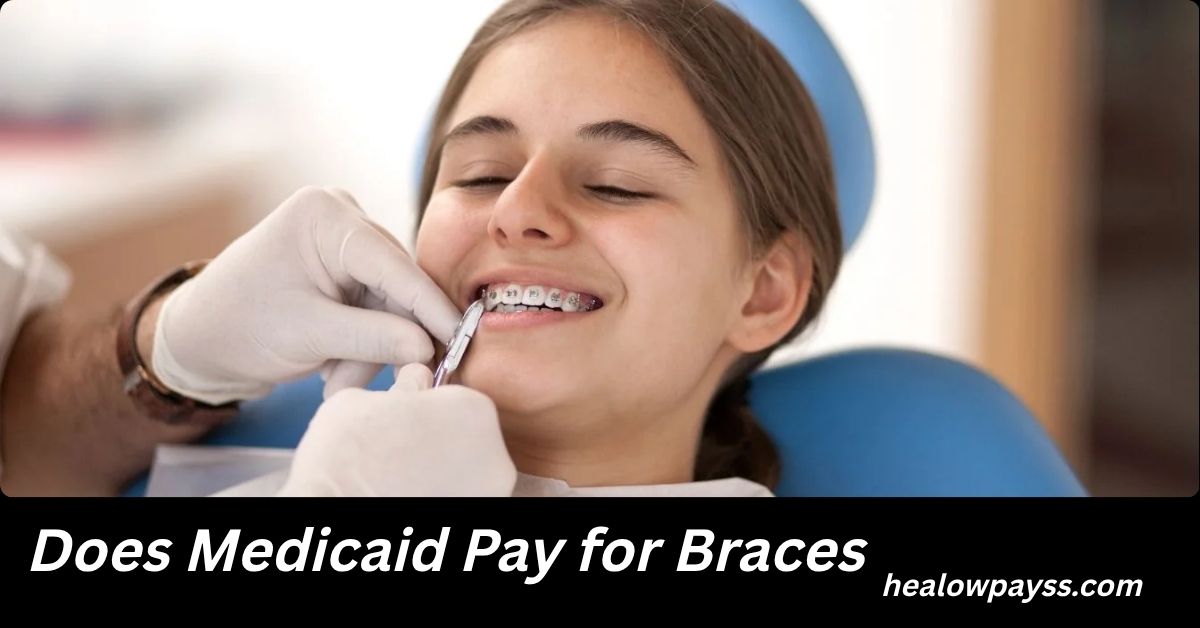
If you are asking “does medicaid pay for braces”, you are not alone. Many families across the United States want to know if they can get help with the cost of orthodontic care. Braces can be expensive, and without insurance, they may feel out of reach. Medicaid can help, but the answer is not simple. It depends on your age, your state, and your medical need.
This complete guide explains everything in clear, easy language. You will learn how Medicaid works, who qualifies, which states offer coverage, and how to apply. You will also see real insights that go beyond basic information, so you can make better decisions for your family.
What Is Medicaid and How Does It Work?
Medicaid is a government health program in the United States. It helps people with low income get medical care. Each state runs its own Medicaid program, but it follows federal rules.
Medicaid covers many services, including doctor visits, hospital care, and dental care. However, dental benefits are different from state to state. This is why the answer to “does medicaid pay for braces” changes depending on where you live.

There are two key things to understand:
- Children usually get more dental coverage than adults
- Orthodontic care like braces is often only covered if it is medically necessary
Does Medicaid Pay for Braces?
The short answer is yes, Medicaid can pay for braces, but only in certain situations.
For most children under age 21, Medicaid may cover braces if they are medically necessary. This means the braces are needed to fix serious dental problems, not just to improve appearance.
For adults, Medicaid usually does not pay for braces. In most states, adult orthodontic care is not covered unless there is a very serious health condition.
What Does “Medically Necessary” Mean?
This is the most important part of understanding whether Medicaid will pay for braces.
Medically necessary means the problem affects health, not just looks. Medicaid does not pay for braces just to straighten teeth for cosmetic reasons.
Also Read: How to Tighten a Loose Tooth at Home: Complete Guide for Safe and Effective Care
Examples of medically necessary conditions include:
- Severe overbite or underbite
- Jaw problems that make it hard to chew or speak
- Teeth that cause pain or damage
- Facial abnormalities like cleft palate
Each state uses a scoring system to decide if the condition is serious enough. A dentist or orthodontist must evaluate the patient and submit proof.
Why Medicaid Coverage Varies by State
Medicaid is not the same everywhere. Each state decides its own rules for dental and orthodontic coverage.
That means:
- One state may cover braces fully
- Another state may only cover part of the cost
- Some states may deny coverage unless the case is very severe
This is why people search for specific questions like:
- does medicaid pay for braces in texas
- does florida medicaid pay for braces
- does indiana medicaid pay for braces
- does sc medicaid pay for braces
Let’s look at these states in detail.
Does Medicaid Pay for Braces in Texas?
In Texas, Medicaid may pay for braces for children under 21, but only if they are medically necessary.
Texas uses a strict scoring system. The child must have a severe orthodontic problem. Mild or moderate issues are not covered.
Important points for Texas:
- Coverage is only for children under 21
- A dentist must confirm medical need
- Prior approval is required
- Cosmetic braces are not covered
Parents in Texas should visit a Medicaid-approved orthodontist for an evaluation.
Does Florida Medicaid Pay for Braces?
Florida Medicaid also covers braces for children, but only when they are medically necessary.
Florida uses a program called the Dental Services Program. It evaluates each case carefully.
Key facts for Florida:
- Only children under 21 qualify
- Must meet strict medical criteria
- Requires documentation and approval
- Not available for cosmetic reasons
Florida is known for being strict, so many applications are denied unless the condition is serious.
Does Indiana Medicaid Pay for Braces?
Indiana Medicaid provides orthodontic coverage for children through its managed care programs.
In Indiana:
- Braces are covered for children under 21
- Must be medically necessary
- Requires evaluation and approval
- Coverage may vary slightly depending on the plan
Indiana tends to follow federal guidelines closely, so families should expect a detailed review process.
ALso Read: Oncepik: A Complete Guide to the All-in-One Project Management Platform
Does SC Medicaid Pay for Braces?
South Carolina Medicaid does cover braces for eligible children, but only in severe cases.
In South Carolina:
- Coverage is limited to children under 21
- Must meet medical necessity standards
- Requires orthodontic evaluation
- Approval is not guaranteed
South Carolina is similar to other states, focusing only on serious dental conditions.
Why Medicaid Rarely Covers Braces for Adults
Many adults ask, does medicaid pay for braces for adults? In most cases, the answer is no.
There are a few reasons:
- Adult dental coverage is optional for states
- Orthodontics is considered non-essential for adults
- Costs are high, so states limit coverage
However, there are rare exceptions. Medicaid may cover braces for adults if:
- There is a serious medical condition
- Surgery is required
- The issue affects basic functions like eating or speaking
Even in these cases, approval is difficult.
How to Qualify for Medicaid Braces Coverage
To get Medicaid to pay for braces, you must follow a process. It is not automatic.
Step 1: Check Eligibility
Make sure you or your child is enrolled in Medicaid.
Step 2: Visit a Dentist
A general dentist will examine the teeth and refer you to an orthodontist.
Step 3: Orthodontic Evaluation
The orthodontist will assess the condition and take records like X-rays and photos.
Step 4: Submit Request
The orthodontist sends a request to Medicaid with proof of medical necessity.
Step 5: Wait for Approval
Medicaid reviews the case and decides if it qualifies.
This process can take several weeks or even months.
What If Medicaid Denies Braces?
It is common for Medicaid to deny braces, especially if the condition is not severe.
If this happens, you still have options:
- Request an appeal
- Get a second opinion
- Ask about payment plans
- Look for dental schools offering low-cost braces
Appealing can sometimes work if you provide stronger medical evidence.
Alternative Ways to Afford Braces
If Medicaid does not cover braces, do not worry. There are other ways to manage the cost.
Dental Schools
Dental schools offer braces at lower prices. Students perform the work under supervision.
Payment Plans
Many orthodontists offer monthly payment plans with no interest.
Discount Programs
Some programs provide reduced-cost orthodontic care.
Nonprofit Organizations
Some charities help children get braces if they meet certain conditions.
How Much Do Braces Cost Without Medicaid?
Understanding the cost helps you plan better.
Average cost in the U.S.:
- Traditional metal braces: $3,000 to $7,000
- Ceramic braces: $4,000 to $8,000
- Clear aligners: $3,500 to $8,000
Prices vary depending on the case and location.
This is why many families ask “does medicaid pay for braces” in the first place.
Important Tips for Parents
If you are trying to get braces through Medicaid, these tips can help:
Start early
The earlier you check your child’s teeth, the better your chances of approval.
Choose the right orthodontist
Work with a provider who accepts Medicaid and understands the approval process.
Keep records
Save all documents, X-rays, and reports.
Be patient
Approval takes time, and delays are common.
Understand the rules
Each state has different guidelines, so learn yours carefully.
Common Mistakes to Avoid
Many families make mistakes that lead to denial.
Waiting too long
If the condition gets worse, it may still not meet criteria.
Assuming coverage
Never assume Medicaid will pay without approval.
Choosing a non-approved provider
Always check if the orthodontist accepts Medicaid.
Ignoring follow-ups
Missing appointments can delay or cancel approval.
Future of Medicaid Orthodontic Coverage
There is ongoing discussion about expanding dental benefits in Medicaid.
ALso Read: How to Heal Cavities in 2 Days at Home: What Really Works and What You Need to Know
Some experts believe:
- More states may improve coverage for children
- Adult dental benefits may expand slowly
- Preventive care will become more important
However, braces will likely remain limited to medically necessary cases.
Final Thoughts
So, does medicaid pay for braces? The answer is yes, but only under specific conditions.
Medicaid mainly covers braces for children under 21 when there is a serious medical need. Adults usually do not qualify. Each state has its own rules, so it is important to check your local Medicaid program.
If you live in states like Texas, Florida, Indiana, or South Carolina, coverage is possible but strict. Always work with a Medicaid-approved orthodontist and be prepared for a detailed approval process.
Understanding how Medicaid works can save you time, money, and stress.
FAQs About Medicaid and Braces
Can Medicaid cover partial costs of braces?
Yes, in some cases Medicaid may cover part of the cost if the treatment meets medical necessity rules.
How long does Medicaid take to approve braces?
It usually takes a few weeks to a few months, depending on the state and case complexity.
Can I choose any orthodontist with Medicaid?
No, you must choose an orthodontist who accepts Medicaid.
Are retainers covered by Medicaid?
Sometimes, retainers are covered if they are part of an approved treatment plan.
Can I reapply if my request is denied?
Yes, you can reapply or file an appeal with additional medical evidence.
Does Medicaid cover Invisalign or clear aligners?
Usually no. Medicaid typically covers only traditional braces when medically necessary.
What age is best to apply for Medicaid braces coverage?
Children between ages 10 and 14 often have better chances, but eligibility depends on the condition.
Do all states require the same medical score?
No, each state has its own scoring system and criteria.
