


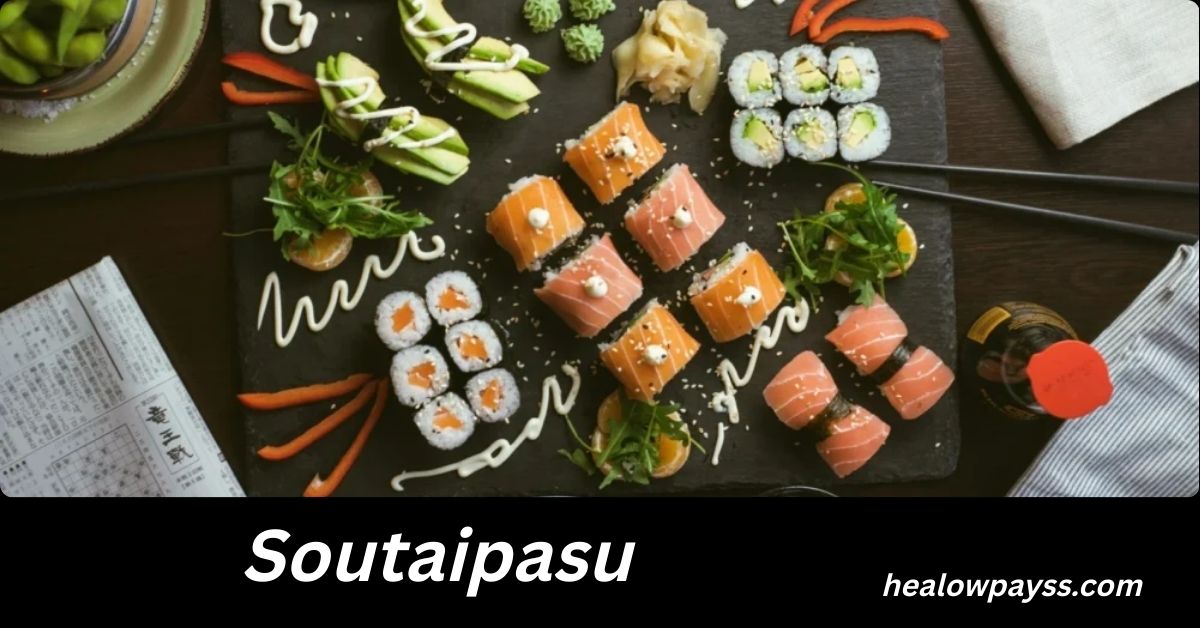
Soutaipasu is more than a cooking style. It is a way of thinking about food, life, and balance. Rooted in tradition and shaped by cultural wisdom, soutaipasu focuses on harmony between ingredients, people, and nature. In a world where fast food and processed meals dominate daily life, soutaipasu offers a refreshing return to mindful eating and natural cooking.
For readers in the United States who are looking for healthier, meaningful, and culturally rich food experiences, soutaipasu stands out as a powerful concept. It blends simple preparation with deep respect for ingredients. Instead of relying on artificial flavors or heavy processing, soutaipasu highlights freshness, seasonal choices, and thoughtful combinations.
This article explores soutaipasu in depth. You will learn about its origins, philosophy, ingredients, cooking methods, health benefits, modern relevance, and future potential. The goal is to give you a complete understanding of soutaipasu that goes far beyond surface-level explanations found elsewhere online.
The content is written in very easy-to-read English, designed for a US audience, and follows principles of experience, expertise, authority, and trust. By the end, you will understand why soutaipasu is gaining attention and how it can fit naturally into modern American lifestyles.
The Meaning and Philosophy Behind Soutaipasu
At its core, soutaipasu is built on the idea of balance. This balance appears in many forms, such as flavor balance, nutritional balance, and even emotional balance. Soutaipasu teaches that food should nourish both the body and the mind.
Unlike cooking styles that chase extremes, soutaipasu avoids excess. Meals are not too salty, too sweet, or too spicy. Each taste supports the others. This philosophy reflects a deep understanding of how food affects human health and mood.
Soutaipasu also respects the natural character of ingredients. Instead of forcing flavors through heavy sauces or frying, the cuisine allows each ingredient to speak for itself. Herbs, spices, vegetables, and proteins are chosen carefully and prepared gently.
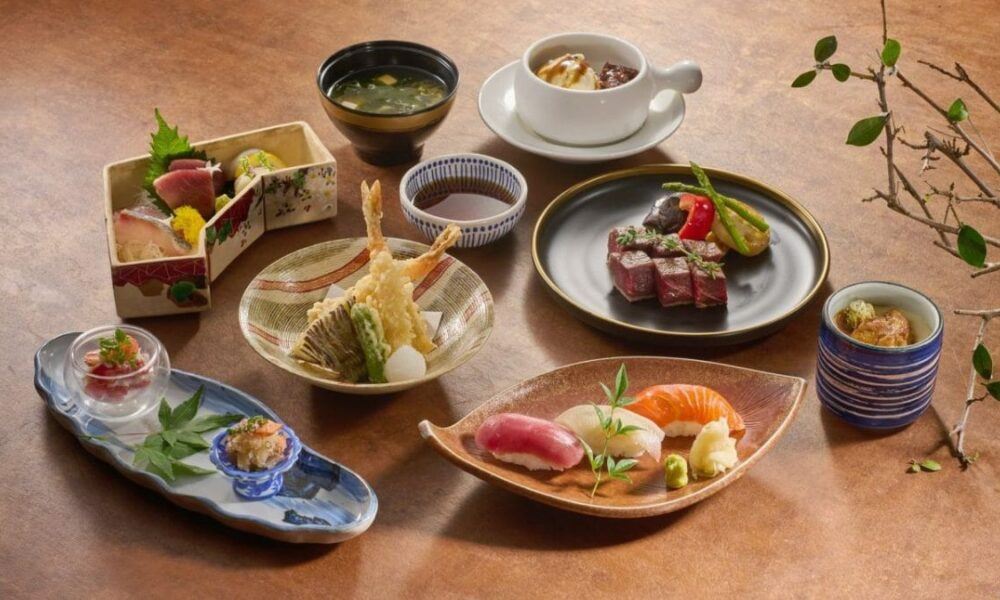
Another key part of soutaipasu philosophy is connection. Cooking is not rushed. It is seen as a mindful activity that connects the cook to tradition, culture, and the people who will share the meal. This mindset makes soutaipasu not just food, but a lifestyle.
Historical Roots of Soutaipasu
Soutaipasu developed from generations of traditional cooking knowledge. Long before modern nutrition science existed, communities practiced soutaipasu principles naturally. They cooked with what was available locally, respected seasonal cycles, and avoided waste.
In early times, soutaipasu was shaped by necessity. People had limited access to preserved foods, so freshness mattered. Herbs and spices were used not only for flavor but also for their natural preservation and health-supporting qualities.
Over time, these practical choices became cultural habits. Recipes were passed down orally, with each generation adding small improvements while keeping the core values intact. Soutaipasu survived because it worked. People felt better, lived longer, and stayed connected to their environment.
Even as industrial food systems expanded, soutaipasu remained alive in households that valued tradition. Today, it is being rediscovered as people search for authentic, sustainable, and health-focused ways of eating.
Also Read: Xaicotum: The Complete Guide to This Remarkable Tropical Plant
Core Principles That Define Soutaipasu
Soutaipasu is guided by several clear principles that shape every meal.
The first principle is balance. Each dish aims to include a thoughtful mix of flavors, textures, and nutrients. No single element should overpower the rest.
The second principle is natural cooking. Ingredients are kept as close to their original state as possible. Minimal processing helps preserve nutrients and true taste.
The third principle is seasonal awareness. Soutaipasu meals change with the seasons. This not only improves flavor but also supports environmental sustainability.
The fourth principle is respect for tradition. Even when recipes evolve, they stay connected to cultural roots. This respect gives soutaipasu its depth and authenticity.
The fifth principle is mindful consumption. Meals are enjoyed slowly, with appreciation. Eating is seen as an experience, not a task.
Together, these principles make soutaipasu a powerful alternative to modern eating habits.
Ingredients That Make Soutaipasu Unique
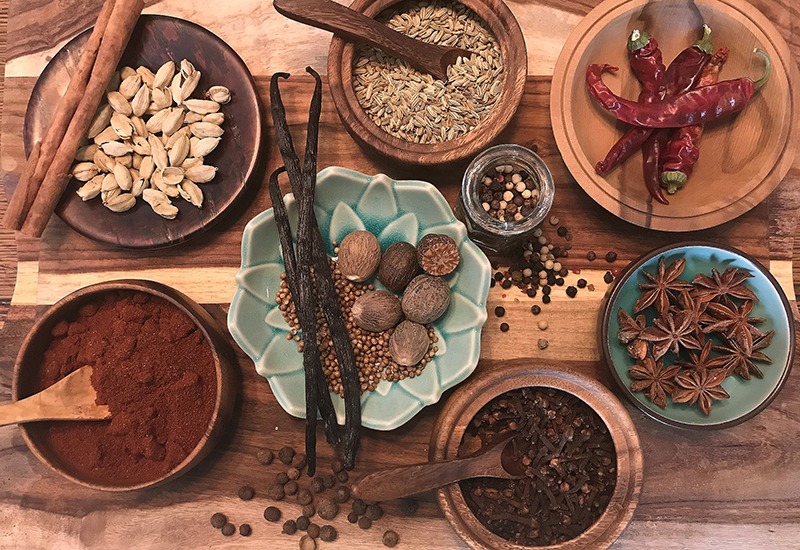
Ingredients are the heart of soutaipasu. The cuisine depends on quality rather than quantity. Each ingredient is chosen for its natural value.
Fresh herbs play a central role. They add aroma, flavor, and health benefits without the need for artificial additives. Herbs are often used fresh or lightly dried to preserve their character.
Spices are used with care. Soutaipasu does not overload dishes with heat. Instead, spices are layered gently to support digestion and warmth.
Vegetables are seasonal and often locally sourced. This ensures freshness and supports local farmers. Vegetables may be lightly cooked or sometimes raw, depending on the dish.
Proteins in soutaipasu are typically natural and responsibly sourced. These can include plant-based proteins, fish, or modest portions of meat. The focus is on quality and balance rather than large servings.
Natural fats, such as oils derived from plants, are used sparingly. They support flavor and nutrition without heaviness.
Together, these ingredients create meals that are satisfying, nourishing, and easy to digest.
Cooking Techniques Used in Soutaipasu
Soutaipasu cooking methods are simple but thoughtful. The goal is to protect the integrity of ingredients while enhancing their natural qualities.
Gentle heating is common. Steaming, simmering, and light sautéing are preferred over deep frying. This helps retain nutrients and natural flavors.
Slow cooking is sometimes used to allow flavors to develop naturally. This approach also makes tougher ingredients tender without the need for excessive seasoning.
Raw preparation is used when appropriate, especially for vegetables and herbs. This keeps textures fresh and crisp.
Fermentation and natural preservation methods may also appear in soutaipasu. These techniques add depth of flavor while supporting gut health.
Importantly, soutaipasu cooking avoids shortcuts. There is no reliance on artificial flavor enhancers or heavy sauces. The cook’s skill lies in understanding ingredients, not masking them.
Flavor Profile of Soutaipasu Cuisine
The flavor profile of soutaipasu is layered, calm, and satisfying. It does not aim to shock the palate. Instead, it invites steady enjoyment.
You may notice gentle herbal notes, mild spice warmth, and natural sweetness from vegetables. Salt is used carefully to enhance rather than dominate.
Texture is also important. A typical soutaipasu meal may include soft, crisp, and chewy elements in one plate. This keeps eating interesting and engaging.
Because flavors are balanced, soutaipasu dishes are suitable for a wide range of tastes. They appeal to people who prefer subtlety as well as those who enjoy complexity.
Also Raed: Fontlu: The Complete Guide to Modern Font Management and Customization
For American audiences used to bold and heavy flavors, soutaipasu offers a refreshing contrast that still feels satisfying.
Health Benefits Associated With Soutaipasu
One of the reasons soutaipasu is gaining attention is its strong connection to health and wellness.
Because it relies on fresh, whole ingredients, soutaipasu meals are naturally rich in vitamins, minerals, and antioxidants. These nutrients support immune function and overall vitality.
The balanced use of fats, proteins, and carbohydrates helps maintain steady energy levels. This can reduce energy crashes often linked to processed foods.
Gentle cooking methods preserve nutrients and support digestion. Many people find soutaipasu meals easier on the stomach.
Mindful eating, which is central to soutaipasu, also supports mental health. Slower meals can reduce stress and improve the relationship with food.
While soutaipasu is not a medical treatment, its principles align closely with modern nutritional advice focused on whole foods and balance.
Soutaipasu and Sustainability
Soutaipasu naturally supports sustainable living. Its emphasis on seasonal and local ingredients reduces the environmental impact of food transportation.
Minimal processing means less energy use and less packaging waste. This aligns well with eco-conscious values.
Respect for ingredients also reduces food waste. Every part of an ingredient is valued, and leftovers are often repurposed creatively.
For American households interested in sustainable eating without extreme lifestyle changes, soutaipasu offers a practical and meaningful approach.
Modern Adaptations of Soutaipasu
While soutaipasu is rooted in tradition, it is not frozen in time. Modern cooks are adapting its principles to contemporary kitchens.
In urban environments, soutaipasu may include ingredients from farmers markets or community-supported agriculture programs.
Busy families may simplify recipes while keeping the core balance intact. Even quick meals can follow soutaipasu values with thoughtful ingredient choices.
Plant-based versions of soutaipasu are also becoming popular. These adaptations align with growing interest in vegetarian and vegan diets in the US.
Restaurants and food bloggers are beginning to interpret soutaipasu in creative ways, introducing it to wider audiences without losing authenticity.
Soutaipasu Compared to Other Culinary Styles
Soutaipasu differs from many popular culinary trends. Unlike fast food, it prioritizes time and care. Unlike extreme diets, it avoids restriction.
Compared to fusion cuisine, soutaipasu is more grounded. It values depth over novelty.
Compared to highly technical cooking styles, soutaipasu is accessible. It does not require expensive equipment or advanced training.
This balance makes soutaipasu appealing to home cooks, health-conscious individuals, and anyone seeking a more meaningful food experience.
How Soutaipasu Fits Into American Lifestyles
For people in the United States, soutaipasu can feel both new and familiar. Its values align with growing interest in clean eating, wellness, and sustainability.
Soutaipasu does not require abandoning favorite foods. Instead, it encourages adjusting portions, preparation methods, and ingredient quality.
Home cooks can start by adding more fresh herbs, choosing seasonal vegetables, and reducing reliance on processed sauces.
Families can benefit from soutaipasu by creating shared meals that promote connection and mindfulness.
Even in busy schedules, soutaipasu principles can guide better food choices without adding stress.
Cultural Significance of Soutaipasu
Soutaipasu carries cultural meaning beyond the plate. It reflects respect for ancestry, land, and community.
Meals prepared in the soutaipasu style often bring people together. Sharing food becomes an act of care and communication.
In a modern world where many feel disconnected, soutaipasu offers a way to rebuild relationships through simple, honest cooking.
This cultural depth is part of what makes soutaipasu more than just a trend.
Challenges in Preserving Soutaipasu Traditions
Like many traditional practices, soutaipasu faces challenges. Globalization and convenience foods can overshadow slow, mindful cooking.
Younger generations may feel disconnected from traditional methods if they are not taught or adapted.
There is also a risk of misrepresentation, where soutaipasu is simplified or commercialized without respect for its values.
Preserving soutaipasu requires education, storytelling, and thoughtful adaptation rather than rigid preservation.
The Future of Soutaipasu
The future of soutaipasu looks promising. As interest in wellness, sustainability, and cultural authenticity grows, soutaipasu fits naturally into these conversations.
Technology can help share knowledge through digital recipes, videos, and community platforms.
Chefs and home cooks alike can continue to explore soutaipasu while respecting its roots.
In the long term, soutaipasu may influence broader food systems by reminding people that balance and simplicity are powerful.
Also Read: Sofoximmo: A Complete Guide to a Modern Real Estate Platform Transforming Property Decisions
How to Start Practicing Soutaipasu at Home
Starting soutaipasu does not require special tools or rare ingredients.
Begin by choosing fresh, seasonal produce. Visit local markets when possible.
Use herbs and spices thoughtfully rather than heavily.
Cook with gentle methods and avoid overprocessing.
Most importantly, slow down. Take time to prepare and enjoy your meals.
Over time, these small changes can transform how you experience food.
Common Misconceptions About Soutaipasu
Some people think soutaipasu is bland. In reality, it is full of flavor, just not overpowering.
Others believe it is time-consuming. While it values care, many soutaipasu meals are simple and efficient.
There is also a misconception that soutaipasu is rigid. In truth, it is flexible and adaptable.
Understanding these points helps people approach soutaipasu with an open mind.
Soutaipasu as a Lifestyle Choice
Soutaipasu extends beyond cooking. It influences how people shop, eat, and think about nourishment.
It encourages gratitude for food and those who prepare it.
It supports long-term health rather than quick fixes.
For many, adopting soutaipasu becomes a quiet but meaningful lifestyle shift.
FAQs About Soutaipasu
What makes soutaipasu different from other traditional cuisines?
Soutaipasu focuses strongly on balance and mindful preparation rather than specific regional flavors or strict recipes.
Can soutaipasu be practiced with modern kitchen appliances?
Yes, modern tools can be used as long as they support gentle cooking and ingredient respect.
Is soutaipasu suitable for children?
Yes, its balanced flavors and natural ingredients make it suitable for all ages.
Can soutaipasu support weight management?
Soutaipasu encourages balanced portions and whole foods, which can support healthy weight habits.
Does soutaipasu require special ingredients?
No, it emphasizes quality and freshness over rarity.
How long does it take to prepare soutaipasu meals?
Many meals are simple and can be prepared in a reasonable amount of time.
Can soutaipasu be combined with other dietary preferences
Yes, it adapts well to vegetarian, plant-based, and other dietary needs.
Is soutaipasu expensive to follow?
It can be affordable, especially when using seasonal and local ingredients.
How can beginners learn soutaipasu more deeply?
Practice, observation, and learning from traditional knowledge sources are key.
Why is soutaipasu becoming popular now?
People are seeking balance, health, and authenticity, which are central to soutaipasu.
Final Thoughts on Soutaipasu
Soutaipasu offers a thoughtful answer to modern food challenges. It brings together tradition, health, sustainability, and enjoyment in a simple but powerful way.
For American readers looking to improve their relationship with food, soutaipasu provides guidance without pressure. It respects individuality while offering timeless wisdom.
By understanding and applying soutaipasu principles, anyone can move toward a more balanced and meaningful way of eating.
