


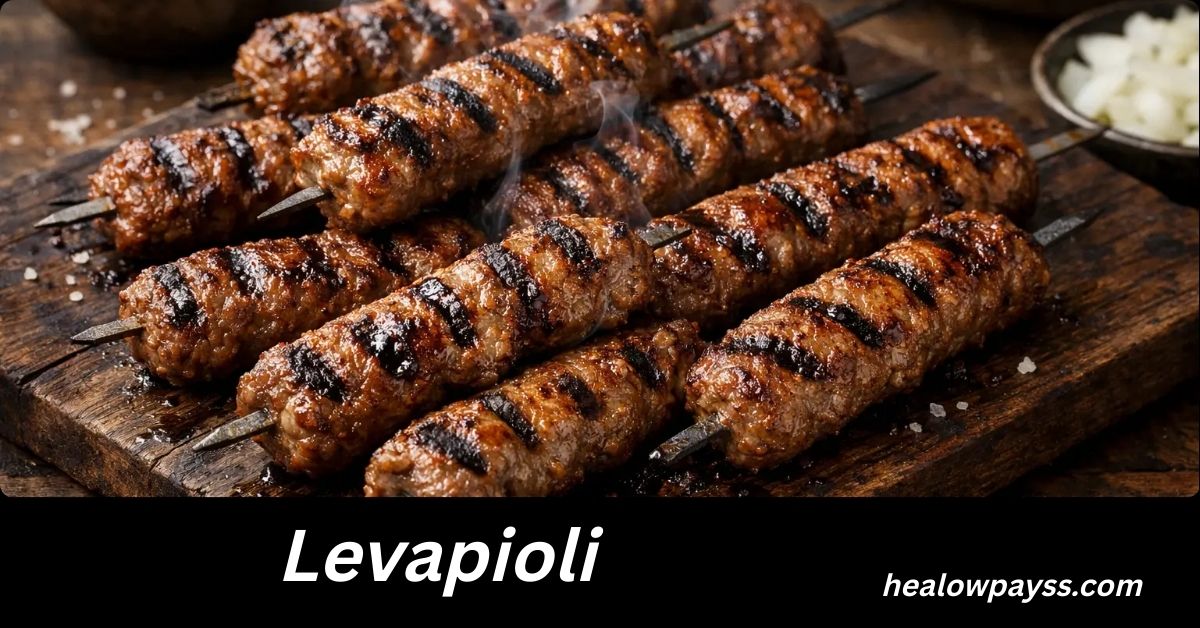
Levapioli is more than just a meat dish. It is a story of culture, migration, family tradition, and simple food made with care. Many people search for levapioli because they want to understand what it is, where it comes from, and how to make it at home. Others are curious about its health value, regional styles, and why it still matters today..
You will learn the true origins of levapioli, how it connects Italian and Balkan food cultures, how families prepare it, and how modern cooks are adapting it today. You will also find original insights, practical tips, and FAQs that go beyond what most articles cover.
What Is Levapioli?
Levapioli is a traditional meat-based dish with roots in both Italian and Balkan cuisines. At its core, levapioli is made from seasoned ground meat shaped into small portions and cooked using simple methods such as grilling, pan-frying, or baking.
What makes levapioli special is not just the ingredients but the method and meaning behind it. The dish focuses on balance, texture, and shared meals. It is often prepared for family gatherings, celebrations, and weekend cooking.
Levapioli is not fast food. It is slow food in spirit, even when cooked quickly. The preparation often involves hand mixing, resting the meat, and cooking with attention. This care gives levapioli its deep flavor and soft texture.
The Origin of Levapioli
Italian Roots
In Italy, especially in rural and coastal areas, families have long prepared minced meat dishes using beef, pork, or veal. These dishes were shaped by availability, season, and local herbs.
Levapioli likely evolved from older Italian meat preparations that used leftover cuts. Italian cooks focused on stretching ingredients while keeping meals satisfying. Simple spices like garlic, parsley, salt, and olive oil were common.
Italian influence shows in levapioli through herb usage, olive oil, and gentle seasoning rather than heavy spice.
Balkan Influence
The Balkans are known for grilled minced meat dishes, especially those cooked over open flames. Balkan cuisine values smoky flavors, paprika, onion, and garlic.
Also Read: Beit Bart: The Meaning, History, and Modern Importance of a Unique
Levapioli absorbed Balkan techniques such as grilling over charcoal, forming meat by hand, and serving with bread or yogurt-based sauces.
The Balkan influence adds boldness and depth to levapioli, especially in texture and cooking style.
Cultural Exchange and Migration
Levapioli exists because cultures met and shared food. Trade routes, migration, and mixed communities allowed Italian and Balkan traditions to blend.
Families adapted recipes based on where they lived. Ingredients changed, but the idea stayed the same. This is why levapioli has many versions and no single strict recipe.
Why Levapioli Still Matters Today
Levapioli survives because it fits modern needs while honoring tradition. It is simple, flexible, affordable, and satisfying.
In today’s world, people want food that feels real. Levapioli offers that feeling. It can be made at home, customized for health needs, and shared with others.
Unlike processed meat products, levapioli uses fresh ingredients and minimal additives. This makes it attractive to people looking for cleaner eating.
Traditional Ingredients Used in Levapioli
Meat Selection
The most common meats used in levapioli include:
Beef for richness and structure
Pork for moisture and flavor
Veal for softness
Lamb in some Balkan variations
Many families use a mix of meats to balance fat and texture.
Seasonings
Traditional levapioli seasoning is simple. This keeps the meat flavor strong.
Salt
Black pepper
Garlic
Onion
Parsley
Paprika in Balkan styles
Binding Ingredients
Some versions include small amounts of breadcrumbs, soaked bread, or egg. These help hold the meat together and keep it tender.
Italian versions often use olive oil instead of eggs.
Optional Additions
Modern cooks may add:
Cheese
Chili flakes
Fresh herbs like oregano or thyme
Yogurt or milk for softness
How Levapioli Is Traditionally Prepared
Mixing the Meat
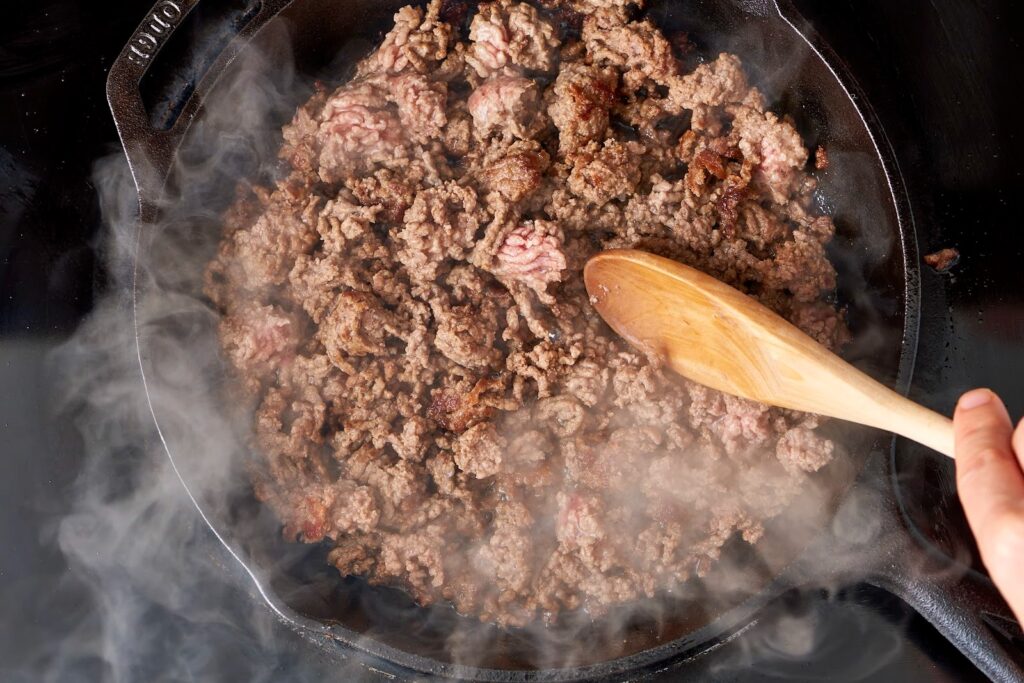
The meat is mixed by hand, not overworked. Overmixing makes levapioli tough.
Salt is often added early to help the meat bind naturally.
Resting Time
After mixing, the meat rests in the refrigerator. This allows flavors to combine and improves texture.
Shaping
Levapioli is shaped into small patties or logs, depending on the region. Size matters. Too thick and it cooks unevenly. Too thin and it dries out.
Also Read: Sightwive com: Real Time Visual Website Editing Tool
Cooking Methods
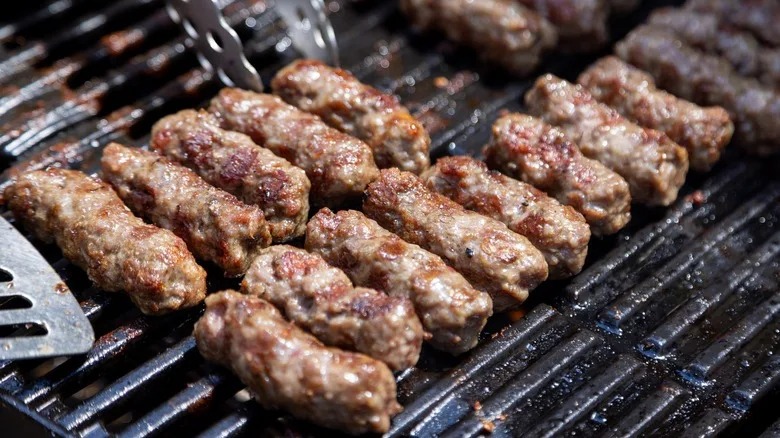
Grilling is the most traditional method. Pan-frying and baking are also common.
Cooking is done at medium heat to keep the inside juicy.
Regional Variations of Levapioli
Northern Italian Style
Uses beef and veal
Milder seasoning
Often pan-fried
Served with vegetables
Southern Italian Style
Uses pork or mixed meats
Stronger garlic flavor
Olive oil heavy
Often baked
Balkan Style
Charcoal grilled
Paprika and onion
Served with flatbread
Often eaten with yogurt or raw onion
Modern Urban Style
Lean meats
Air fryer or oven baked
Served in bowls or wraps
Step-by-Step Levapioli Recipe
This recipe respects tradition while fitting modern kitchens.
Ingredients
1 pound ground beef or beef and pork mix
1 small onion finely chopped
2 cloves garlic minced
2 tablespoons chopped parsley
1 tablespoon olive oil
Salt and pepper to taste
Optional breadcrumbs or egg
Instructions
Place meat in a large bowl
Add onion garlic parsley and oil
Season lightly
Mix gently by hand
Rest for 30 minutes
Shape into small patties
Cook on medium heat until done
Health Benefits of Levapioli
Levapioli can be part of a balanced diet when prepared thoughtfully.
Protein Source
Levapioli is rich in protein, which supports muscle, energy, and overall health.
Customizable Fat Content
By choosing lean meat, you can control fat levels.
No Hidden Additives
Homemade levapioli avoids preservatives found in processed meat.
Supports Home Cooking
Cooking at home improves portion control and ingredient awareness.
Common Mistakes When Making Levapioli
Overmixing the meat
Cooking on high heat
Skipping resting time
Using meat that is too lean without moisture
Avoiding these mistakes greatly improves results.
Levapioli vs Similar Meat Dishes
Levapioli is often compared to meatballs or kebabs.
Levapioli is less spiced than kebabs
More structured than meatballs
Focused on balance rather than sauce
Its identity comes from simplicity and technique.
How Levapioli Fits Modern Diets
Low Carb
Serve with vegetables instead of bread.
High Protein
Increase portion size with lean meat.
Gluten Free
Skip breadcrumbs.
Meal Prep Friendly
Levapioli stores well and reheats evenly.
Serving Ideas for Levapioli
With salad and olive oil
Inside flatbread
With roasted vegetables
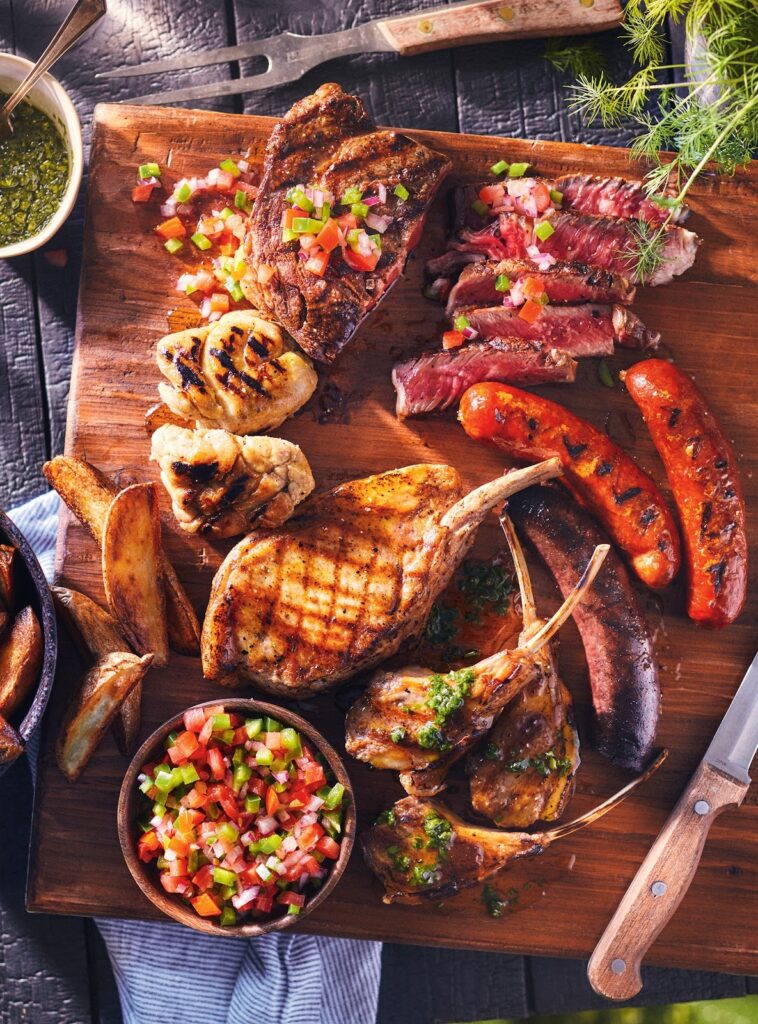
As part of a shared platter
Cultural Meaning of Levapioli
Levapioli represents shared meals and family cooking. It is often made together, shaped by hand, and eaten slowly.
This emotional connection keeps the dish alive across generations.
Levapioli in the United States
In the US, levapioli is gaining attention through food blogs, home cooks, and cultural festivals.
People enjoy it because it feels both familiar and new.
American kitchens adapt levapioli using local ingredients and modern tools.
How to Store and Reheat Levapioli
Store cooked levapioli in airtight containers
Refrigerate up to 4 days
Freeze up to 3 months
Reheat gently to avoid dryness
Why Levapioli Is Timeless
Levapioli lasts because it is flexible. It changes without losing its soul.
It teaches that good food does not need complexity.
Also Read: Plangud: A Complete, In-Depth Guide to the Framework Changing How
Frequently Asked Questions About Levapioli
Is levapioli the same as meatballs?
No. Levapioli has a different texture and preparation method. It is less compact and more balanced in flavor.
Can levapioli be made with chicken or turkey?
Yes. Poultry versions work well but need added moisture like olive oil or yogurt.
Is levapioli healthy for weight loss?
It can be when made with lean meat and served with vegetables.
Can levapioli be cooked in an air fryer?
Yes. Air frying works well and reduces added fat.
How long should levapioli rest before cooking?
At least 30 minutes. Longer resting improves flavor.
Can levapioli be eaten cold?
Yes. It is often enjoyed cold in sandwiches or salads.
Does levapioli require sauce?
No. It is designed to be flavorful on its own.
Is levapioli spicy?
Traditionally no, but spice levels vary by region.
Can levapioli be part of a kids meal?
Yes. Its mild flavor makes it child friendly.
Why is levapioli gaining popularity online?
Because people are searching for traditional, authentic, and home-style food.
Final Thoughts on Levapioli
Levapioli is a dish that connects past and present. It carries Italian and Balkan history while fitting modern lifestyles.
By understanding levapioli deeply, you gain more than a recipe. You gain respect for food traditions and the value of simplicity.
If you are looking for a meaningful, flexible, and satisfying dish, levapioli deserves a place in your kitchen.
This guide was created to give you the most complete and trustworthy information about levapioli available today, written clearly, honestly, and with care.
