


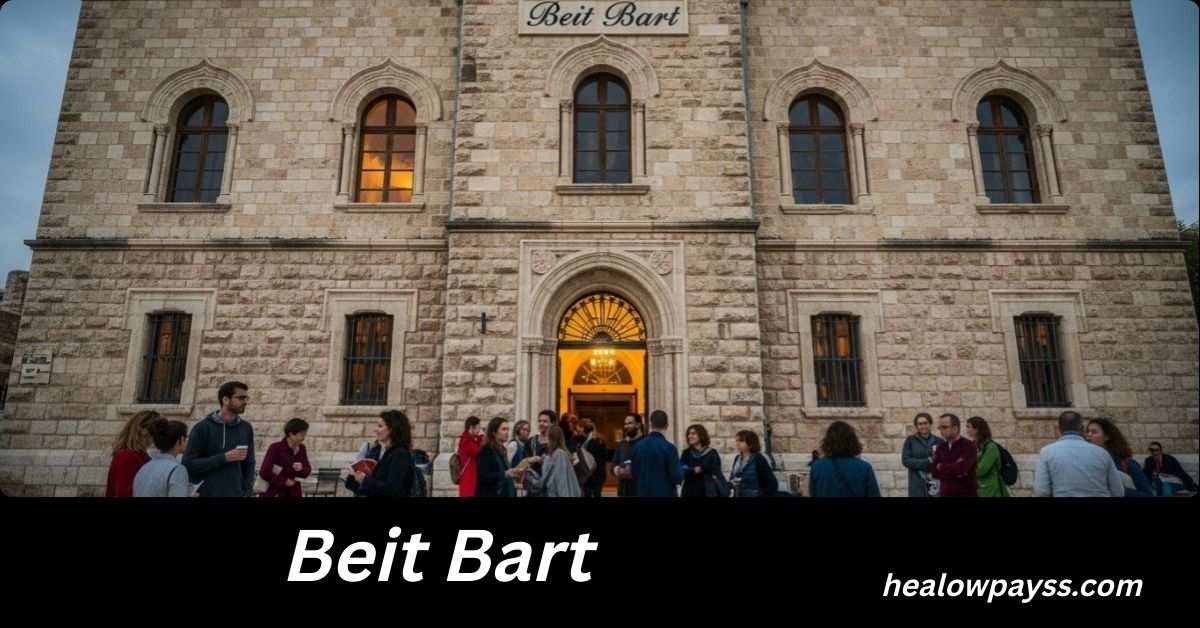
Beit Bart is a name that carries warmth, identity, and purpose. Translated loosely as “House of the Young,” beit bart represents far more than a physical place. It reflects a living idea built around community, growth, belonging, and shared values. In many ways, beit bart stands as a symbol of how spaces can shape people, connect generations, and strengthen social bonds.
In recent years, interest in beit bart has grown, especially among people searching for meaningful community spaces in the United States. While information online is often brief or repetitive, this article goes deeper. It explores the roots, cultural meaning, modern relevance, and future potential of beit bart in a way that is clear, human, and easy to understand.
What Does Beit Bart Mean?
The phrase beit bart comes from words that traditionally mean “house” and “young.” At its core, beit bart means “House of the Young.” However, this meaning should not be taken only in a literal sense. It does not refer only to age. Instead, it represents energy, learning, openness, and the future.
A beit bart is often understood as a place where people gather to learn, share, and grow together. While youth are central to its identity, the space usually welcomes people of all ages. This balance between young energy and shared wisdom is one of the key reasons beit bart has remained relevant over time.
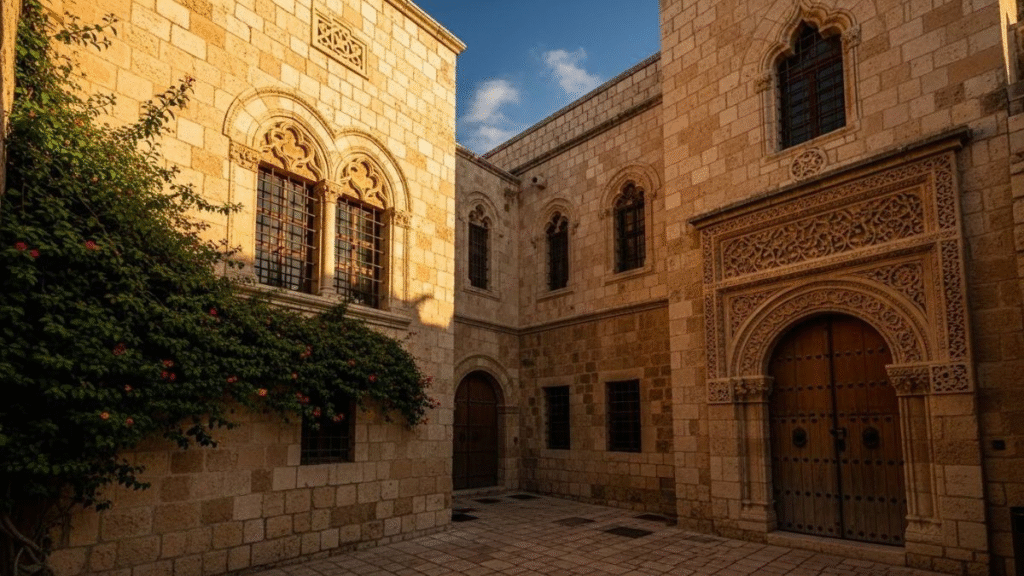
In modern usage, beit bart can describe a community center, cultural hub, or shared space designed to support learning, creativity, and connection.
The Historical Roots of Beit Bart
To understand beit bart today, it is important to look at its roots. Historically, community houses played a vital role in social life. They were places where people met, discussed ideas, celebrated milestones, and passed down traditions.
Beit bart grew from this tradition. It was created as a response to the need for structured yet welcoming spaces where young people could feel safe, valued, and inspired. Over time, these spaces expanded their role. They became centers for education, arts, discussion, and social support.
In earlier forms, a beit bart may have focused on teaching cultural values, language, or shared history. Elders often guided the young, while the young brought new ideas and energy. This exchange helped communities stay strong and adaptable.
Beit Bart as a Community Space
One of the strongest features of beit bart is its role as a community space. Unlike formal institutions, beit bart usually feels open and personal. People come not only to learn but also to connect.
A typical beit bart may host activities such as group discussions, workshops, cultural events, creative sessions, and social gatherings. These activities are designed to build trust and encourage participation.
Also Read: Sightwive com: Real Time Visual Website Editing Tool
In the United States, where many people feel disconnected or isolated, spaces like beit bart offer something valuable. They create a sense of belonging. People know they are welcome, heard, and respected.
Why Beit Bart Matters in Modern Society
Modern life is fast and often fragmented. Many people spend most of their time online or focused on work. This can weaken real-world connections. Beit bart helps restore balance.
Beit bart matters because it provides a physical or structured space where people can slow down and interact meaningfully. It supports mental well-being by encouraging face-to-face communication and shared experiences.
For young people, beit bart can act as a guidepost. It offers mentorship, learning opportunities, and positive social interaction. For adults and elders, it provides a chance to give back and stay engaged with the next generation.
The Role of Youth in Beit Bart
Youth are at the heart of beit bart. The space is designed to support their growth, creativity, and confidence. This does not mean strict rules or pressure. Instead, beit bart often encourages exploration and self-expression.
Young people may use beit bart to learn skills, share ideas, or work on projects. They may participate in discussions about social issues, culture, or personal development.
Importantly, beit bart treats youth as contributors, not just learners. Their voices matter. This respect helps build leadership skills and self-worth.
Beit Bart and Education Beyond the Classroom
Education in beit bart goes beyond books and exams. It focuses on real-life skills and personal development. Learning may happen through conversation, hands-on activities, or shared experiences.
Topics can include communication, teamwork, creativity, cultural understanding, and problem-solving. Because learning is informal, people often feel more relaxed and open.
In the US context, this type of learning complements formal education. It fills gaps that schools may not always address, such as emotional intelligence or community awareness.
Cultural Significance of Beit Bart
Beit bart often carries cultural meaning. It can serve as a place to preserve traditions, language, and shared values. At the same time, it allows culture to grow and adapt.
Rather than being rigid, beit bart usually encourages dialogue between old and new ideas. This helps culture stay alive and relevant.
For communities in the US with diverse backgrounds, beit bart can also support cultural exchange. People learn about each other’s stories, reducing misunderstanding and building respect.
Beit Bart as a Safe and Inclusive Space
Safety and inclusion are key principles of beit bart. A true beit bart welcomes people regardless of background, gender, or belief. Respect is expected, and differences are valued.
This inclusive approach helps people feel comfortable sharing their thoughts and experiences. It also teaches empathy and listening skills.
In a time when many social spaces feel divided, beit bart stands out as a place where unity is possible.
How Beit Bart Supports Mental and Emotional Well-Being
Mental health is a growing concern in modern society. Beit bart supports well-being in simple but powerful ways.
Also Read: Plangud: A Complete, In-Depth Guide to the Framework Changing How
By creating opportunities for connection, beit bart helps reduce loneliness. Group activities and discussions provide emotional support and understanding.
Young people especially benefit from having a place where they can talk openly and feel accepted. This support can build resilience and confidence over time.
Beit Bart in the Digital Age
The digital age has changed how communities function. Many interactions now happen online. Beit bart has adapted to this reality without losing its core purpose.
Some beit bart spaces now use digital tools to share information, organize events, or connect people who cannot attend in person. However, the focus remains on real connection, not just screens.
This balance between digital and physical interaction helps beit bart stay relevant while protecting its human-centered values.
Beit Bart and Leadership Development
One of the lesser-discussed strengths of beit bart is leadership development. Because people are encouraged to take part actively, leadership emerges naturally.
Young participants may help organize events, lead discussions, or mentor others. These experiences build confidence and responsibility.
Unlike traditional leadership training, beit bart leadership grows through practice and trust. This makes it practical and lasting.
Challenges Facing Beit Bart Today
Despite its value, beit bart faces challenges. Funding, space, and long-term support can be difficult to secure. In busy societies, people may struggle to find time to participate.
There is also the challenge of staying relevant. Beit bart must listen to community needs and adapt without losing its identity.
Addressing these challenges requires creativity, collaboration, and commitment from both leaders and participants.
The Future of Beit Bart
The future of beit bart looks promising if its core values remain strong. As people seek deeper connection and meaning, spaces like beit bart become more important.
Future beit bart models may combine physical spaces with digital outreach. They may focus more on mental health, creativity, and social responsibility.
By staying open and adaptable, beit bart can continue to serve new generations.
Beit Bart Compared to Other Community Spaces
Beit bart is often compared to community centers, youth clubs, or cultural hubs. While there are similarities, beit bart has a unique focus.
It is not only about activities or services. It is about relationships and shared growth. This deeper focus sets beit bart apart.
People do not just attend beit bart. They belong to it.
Why Beit Bart Is Relevant to the US Audience
In the United States, communities are diverse and often spread out. Many people feel disconnected despite living close to others.
Also Read: Pasonet: The Modern Digital Payment Platform
Beit bart offers a model for rebuilding local connection. Its flexible structure allows it to fit different cultural and social contexts.
For families, educators, and community leaders, beit bart provides inspiration for creating meaningful spaces.
How to Start or Support a Beit Bart
Supporting a beit bart does not always require large resources. It starts with intention and community involvement.
People can support beit bart by volunteering, attending events, sharing skills, or offering space. Listening to community needs is essential.
A successful beit bart grows from the people it serves, not from strict rules.
Common Misunderstandings About Beit Bart
Some people think beit bart is only for young children or specific groups. In reality, it is often multi-generational and inclusive.
Others may assume it is purely educational or religious. While learning and values are important, beit bart is broader and more flexible.
Understanding these points helps people appreciate the true purpose of beit bart.
Beit Bart as a Living Idea
Beit bart is not static. It changes with the people who use it. This flexibility is its strength.
Each community shapes its beit bart differently. Some focus on arts, others on discussion or social action.
What unites them is the commitment to connection and growth.
Personal Insight on the Value of Beit Bart
From a broader perspective, beit bart represents what many modern societies are missing. It shows that simple spaces, built on trust and respect, can have a deep impact.
Beit bart reminds us that growth happens best in community. It proves that young people thrive when given support and responsibility.
This is why beit bart deserves more attention and understanding.
Frequently Asked Questions About Beit Bart
Is beit bart only for young people?
No. While youth are central, beit bart usually welcomes people of all ages. The mix of generations is part of its strength.
Is beit bart connected to a specific religion?
Beit bart may have cultural or historical roots, but many modern beit bart spaces are inclusive and open to people of all beliefs.
Can beit bart exist online?
Some parts of beit bart can exist online, such as discussions or planning. However, in-person connection remains important.
How is beit bart different from a youth center?
Beit bart focuses more on shared values, relationships, and personal growth rather than just activities or supervision.
Why is beit bart important for mental health?
Beit bart reduces isolation by creating supportive relationships. This sense of belonging supports emotional well-being.
Can adults benefit from beit bart?
Yes. Adults often find purpose and connection through mentoring, learning, and community involvement.
Is beit bart relevant in modern cities?
Yes. In busy urban life, beit bart offers a place to slow down and connect, which many people need.
How can someone find a beit bart near them?
Local community groups, cultural organizations, or educational networks are good places to start looking.
Can beit bart help build leadership skills?
Yes. By encouraging participation and responsibility, beit bart naturally supports leadership development.
Is beit bart a fixed model or flexible idea?
Beit bart is a flexible idea. Each community shapes it based on its needs and values.
Final Thoughts on Beit Bart
Beit bart is more than a name. It is a concept rooted in community, growth, and shared humanity. In a world that often feels disconnected, beit bart offers a reminder of what is possible when people come together with purpose.
By supporting youth, honoring experience, and encouraging open dialogue, beit bart creates lasting value. Its relevance continues to grow, especially in societies seeking deeper connection.
For anyone interested in building stronger communities, beit bart is not just worth learning about. It is worth experiencing.
