


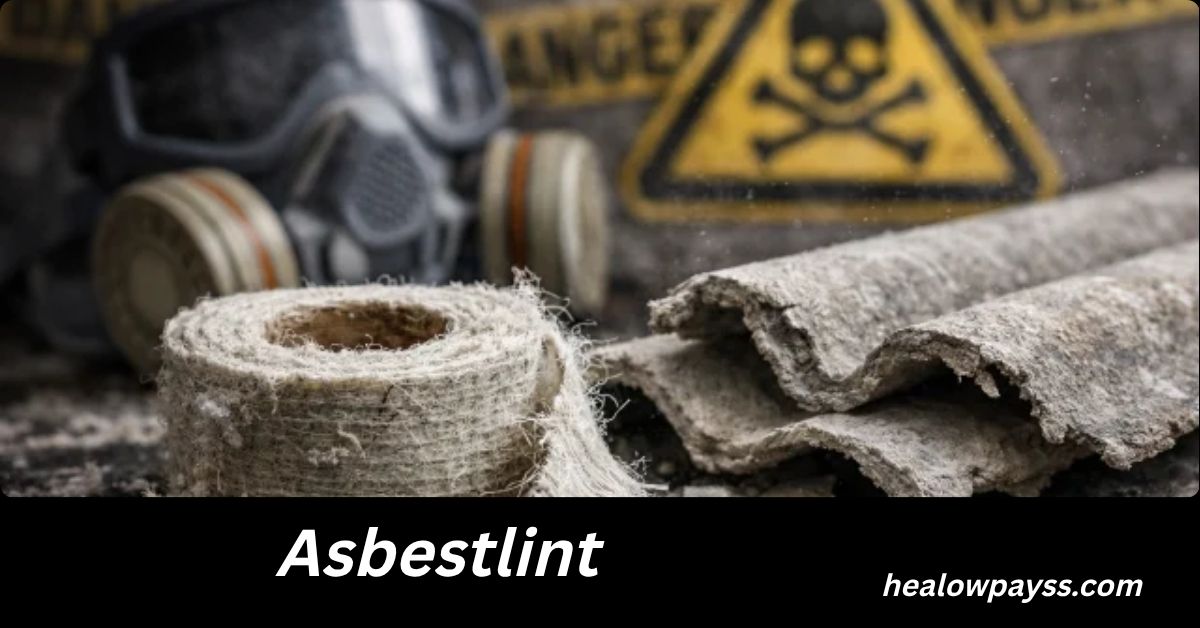
Asbestos was once widely used in construction, insulation, and industrial materials because of its strength and heat resistance. However, over time, serious health risks linked to asbestos exposure became clear. This created a strong need for safer alternatives. One of the newer solutions gaining attention is asbestlint.
This article provides a complete, easy-to-read, and professional guide about asbestlint. It explains what it is, how it works, where it is used, and why it matters today. The goal is to help you fully understand this modern material and how it fits into today’s safer construction and industrial practices.
What Is Asbestlint?
Asbestlint is a modern, non-toxic material designed to replace traditional asbestos-based products. It is engineered to offer similar benefits such as heat resistance, durability, and flexibility without the harmful health risks.
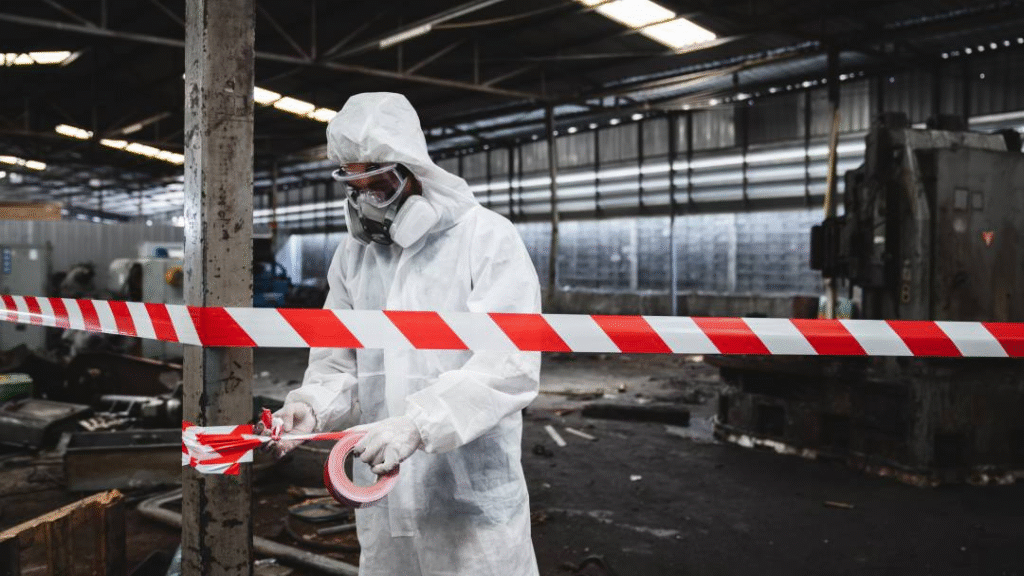
Unlike asbestos, which is made of natural mineral fibers that can damage the lungs, asbestlint is produced using safe synthetic or treated fibers. These fibers are designed to stay stable and not break into harmful airborne particles.
In simple terms, asbestlint provides the performance people once expected from asbestos, but in a much safer way.
Why Asbestos Needed Replacement
For many years, asbestos was used in homes, factories, and public buildings. It was popular because it could resist heat, fire, and chemicals. However, research later showed that asbestos fibers can become airborne and enter the lungs.
This exposure has been linked to serious diseases such as:
- Lung cancer
- Mesothelioma
- Asbestosis
Because of these risks, many countries, including the United States, placed strict regulations on asbestos use. This created a strong demand for alternatives like asbestlint.
How Asbestlint Works
Asbestlint is designed to mimic the useful properties of asbestos without the dangers. It does this by combining modern fiber technology with safe bonding materials.
Also Read: Espresso Old Fashioned: The Ultimate Guide to a Modern Classic Cocktail
Here is how it works in simple terms:
- The material uses engineered fibers that are strong and heat-resistant
- These fibers are treated to prevent breaking into harmful dust
- The structure is tightly bound to maintain durability
- It can be shaped into sheets, tapes, insulation layers, or coatings
This combination allows asbestlint to perform well in high-temperature and demanding environments.
Key Features of Asbestlint
Asbestlint stands out because of its unique features. These make it a strong replacement for traditional materials.
Heat Resistance
Asbestlint can handle high temperatures without breaking down. This makes it ideal for insulation and fire protection.
Non-Toxic Composition
Unlike asbestos, asbestlint does not release harmful fibers into the air. It is safe for workers and building occupants.
Durability
The material is strong and long-lasting. It does not easily wear out, even in harsh conditions.
Flexibility
Asbestlint can be used in many forms. It can be applied as sheets, wraps, or coatings depending on the need.
Eco-Friendly Design
Many versions of asbestlint are made with environmentally friendly processes. This helps reduce environmental impact.
Common Uses of Asbestlint
Asbestlint is used in many industries where safety and performance are important.
Construction Industry
In construction, asbestlint is used for insulation, fireproofing, and sealing. It is often found in:
- Walls and ceilings
- Roofing systems
- Fire-resistant barriers
Industrial Applications
Factories and plants use asbestlint for heat insulation and equipment protection. It helps improve safety in high-temperature environments.
Automotive Sector
In vehicles, asbestlint can be used in heat shields and protective components. It helps manage heat and improve performance.
Electrical Systems
Asbestlint is also used in electrical insulation. It protects wires and components from heat damage.
Marine and Aerospace
In advanced industries like marine and aerospace, asbestlint is valued for its strength and resistance to extreme conditions.
Benefits of Using Asbestlint
Choosing asbestlint offers several important advantages over older materials.
Improved Health Safety
The biggest benefit is safety. Asbestlint does not carry the same health risks as asbestos.
Regulatory Compliance
Using asbestlint helps meet modern safety regulations. This is important for businesses and construction projects in the United States.
Cost Efficiency Over Time
While the initial cost may vary, asbestlint often reduces long-term expenses because it lasts longer and requires less maintenance.
Easy Installation
Many asbestlint products are designed for easy handling and installation. This saves time and labor costs.
Reduced Liability
Using safer materials reduces the risk of legal issues related to asbestos exposure.
Also Read: Incestflox: Meaning, Risks, Psychological Impact, and Social Consequences
Asbestlint vs Asbestos
Understanding the difference between asbestlint and asbestos helps explain why this innovation matters.
Safety
Asbestos is dangerous when fibers become airborne. Asbestlint is designed to avoid this risk.
Material Structure
Asbestos is a natural mineral. Asbestlint is engineered using modern technology.
Legal Status
Asbestos use is heavily restricted. Asbestlint is widely accepted as a safe alternative.
Environmental Impact
Asbestlint is more eco-friendly compared to asbestos, which can harm both people and the environment.
Manufacturing Process of Asbestlint
The production of asbestlint involves advanced techniques to ensure safety and performance.
Fiber Selection
Manufacturers choose synthetic or treated natural fibers that are strong and stable.
Binding Process
These fibers are combined with safe bonding agents to create a solid structure.
Heat Treatment
The material is treated under controlled temperatures to enhance its durability.
Quality Testing
Each batch is tested for strength, heat resistance, and safety before being released.
This careful process ensures that asbestlint meets high industry standards.
Safety Standards and Regulations
In the United States, materials like asbestlint must follow strict safety guidelines.
Regulatory bodies focus on:
- Air quality safety
- Material stability
- Worker protection
- Environmental impact
Asbestlint products are tested to ensure they meet these standards. This helps protect both workers and the public.
Environmental Impact of Asbestlint
One of the key advantages of asbestlint is its lower environmental impact.
Reduced Pollution
Asbestlint does not release harmful fibers into the air.
Sustainable Materials
Some versions use recyclable or eco-friendly components.
Safer Disposal
Unlike asbestos, which requires special disposal methods, asbestlint is easier and safer to handle at the end of its life cycle.
Challenges and Limitations
While asbestlint offers many benefits, it is not perfect.
Cost Differences
In some cases, asbestlint may cost more upfront compared to older materials.
Availability
Not all regions have easy access to asbestlint products.
Awareness
Some industries are still learning about asbestlint and may be slow to adopt it.
Despite these challenges, its benefits continue to drive wider adoption.
Future of Asbestlint
The future of asbestlint looks promising as industries move toward safer materials.
Growing Demand
As awareness increases, more companies are switching to asbestlint.
Technological Improvements
Ongoing research is improving its performance and reducing costs.
Global Adoption
Asbestos bans around the world are encouraging the use of alternatives like asbestlint.
This trend suggests that asbestlint will play an important role in the future of construction and industry.
Expert Insights and Analysis
From a professional point of view, asbestlint represents more than just a replacement material. It reflects a shift in how industries think about safety and sustainability.
In the past, performance was often prioritized over health. Today, the focus has changed. Materials must not only perform well but also protect people and the environment.
Asbestlint fits this new approach. It shows how modern engineering can solve old problems in safer ways.
Another important insight is that asbestlint is part of a larger movement toward innovation in building materials. It is not just replacing asbestos but also setting new standards for what materials should achieve.
Also Read: Crackstube: What It Is, How It Works, Risks, and Safe Alternatives
Practical Tips for Using Asbestlint
If you are considering asbestlint for a project, here are some useful tips:
- Choose certified products that meet safety standards
- Work with trained professionals for installation
- Follow manufacturer guidelines carefully
- Store the material in a dry and safe environment
- Plan long-term maintenance to maximize benefits
These steps can help ensure the best results.
How to Identify Quality Asbestlint Products
Not all asbestlint products are the same. Here is how to choose a good one:
- Check for certification and testing reports
- Look for clear product labeling
- Choose trusted manufacturers
- Review performance ratings
- Compare different options before buying
Taking time to evaluate products can make a big difference in quality and safety.
Frequently Asked Questions About Asbestlint
What makes asbestlint safer than asbestos?
Asbestlint is made from engineered fibers that do not break into harmful airborne particles. This reduces the risk of lung diseases.
Can asbestlint completely replace asbestos in all applications?
In most cases, yes. However, some specialized uses may still require careful evaluation to ensure compatibility.
Is asbestlint approved for use in the United States?
Yes, many asbestlint products meet US safety and regulatory standards.
Does asbestlint require special disposal methods?
No, it is generally easier and safer to dispose of compared to asbestos, though local regulations should always be followed.
How long does asbestlint last?
Asbestlint is designed to be durable and long-lasting, often performing well for many years with proper use.
Is asbestlint resistant to fire?
Yes, it has strong fire-resistant properties, making it suitable for insulation and safety applications.
Can homeowners use asbestlint products?
Yes, but it is recommended to follow proper guidelines or hire professionals for installation.
Is asbestlint environmentally friendly?
Many versions are designed to be eco-friendly, with reduced pollution and safer materials.
What industries benefit the most from asbestlint?
Construction, manufacturing, automotive, and energy industries benefit greatly from its properties.
Does asbestlint require maintenance?
It generally requires minimal maintenance, but regular inspections can help ensure long-term performance.
Conclusion
Asbestlint is a modern solution to a serious problem that has affected industries for decades. It provides the strength, heat resistance, and durability that asbestos once offered, but without the harmful health risks.
As safety standards continue to evolve, materials like asbestlint are becoming essential. They not only protect workers and building occupants but also support a more sustainable future.
For anyone involved in construction, manufacturing, or industrial work, understanding asbestlint is important. It represents a safer, smarter, and more responsible way to build and operate in today’s world.
By choosing asbestlint, industries are not just replacing an old material. They are making a commitment to health, safety, and progress.
