



Antarvacna is a powerful but often overlooked part of human life. It is the internal language system that shapes how people think, feel, decide, and act. Every day, without noticing it, people speak silently to themselves. This inner speech guides emotions, builds confidence or fear, affects stress levels, and influences nearly every decision.
In modern psychology, neuroscience, mindfulness practice, and self-development, antarvacna is gaining serious attention. Researchers and practitioners now understand that changing internal language can change perception, behavior, and even long-term mental health outcomes.
It is designed to be professional, human, practical, and deeply informative. It goes beyond simple definitions and explores antarvacna from multiple angles including psychology, neuroscience, daily life, emotional health, productivity, relationships, and personal growth.
The goal is not only to explain antarvacna but to help readers understand how to work with it in real life.
What Antarvacna Means in Simple Words
Antarvacna refers to the inner voice or internal language that runs silently in the mind. It is the ongoing self-talk that comments on experiences, judges situations, interprets events, and predicts outcomes.
When someone thinks things like “I can do this,” “This is dangerous,” or “I always fail,” that is antarvacna in action.
This internal language is not random. It follows patterns built from childhood experiences, culture, education, trauma, success, failure, and repeated habits of thought.

Antarvacna works quietly but powerfully. It influences how safe or stressed a person feels, how confident or anxious they become, and how they respond to challenges.
The Origins of Antarvacna
Antarvacna begins forming early in life. Children learn language from parents, teachers, and caregivers. Over time, external voices slowly turn inward.
A child who hears encouragement often develops a supportive inner voice. A child exposed to criticism or fear may develop a harsh or anxious internal language.
As people grow, antarvacna continues to evolve through:
Family communication styles
School feedback and academic pressure
Cultural expectations and social norms
Trauma or emotional neglect
Success, praise, and failure
Media and digital influence
By adulthood, most people have a well-established inner language system. Many are not aware of it, even though it runs constantly in the background.
Also Read: Crackstube: What It Is, How It Works, Risks, and Safe Alternatives
Antarvacna and the Human Brain
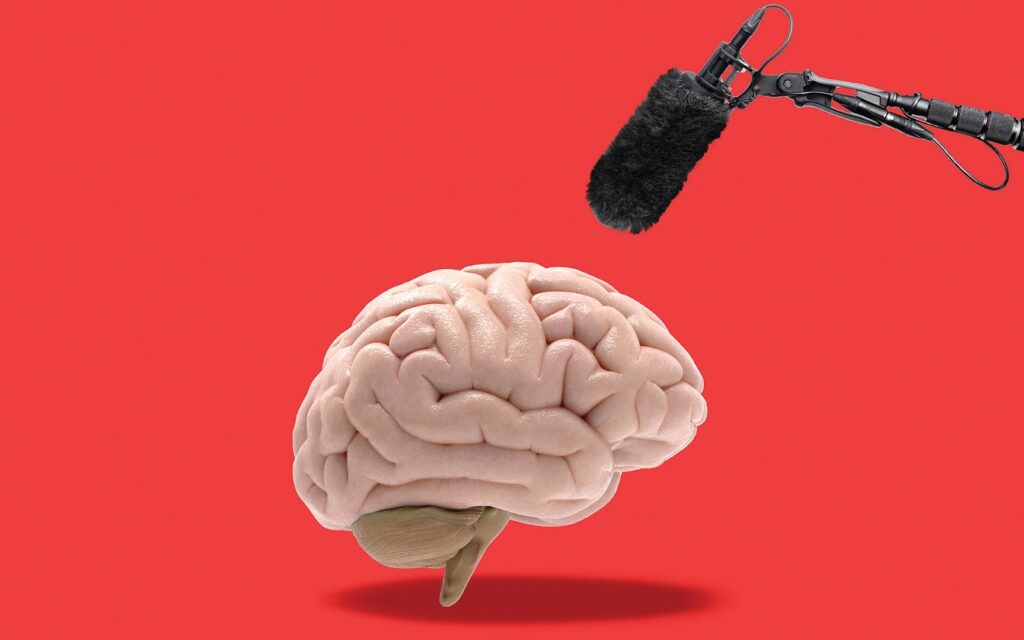
From a neuroscience perspective, antarvacna is connected to several brain systems. It involves language centers, emotional regulation areas, and decision-making networks.
Key brain regions involved include the prefrontal cortex for reasoning, the amygdala for emotional responses, and language-processing areas that help structure thoughts into words.
When antarvacna becomes negative or threatening, the brain may interpret thoughts as real danger. This can activate stress responses even when no physical threat exists.
On the other hand, calm and supportive antarvacna can signal safety to the nervous system, reducing stress hormones and improving focus.
This explains why inner language can feel so real and emotionally powerful.
How Antarvacna Shapes Perception
Perception is not just about what happens around us. It is also about how we interpret what happens.
Antarvacna acts like a filter. Two people can experience the same situation but feel very different emotions because their internal language interprets the event differently.
For example, one person might think “This challenge will help me grow,” while another thinks “This will prove I am not good enough.”
The external event is the same. Antarvacna creates the emotional experience.
This filtering effect explains why internal language has such a strong influence on happiness, motivation, and resilience.
Antarvacna and Emotional Regulation
Emotions do not come only from events. They come from meaning.
Antarvacna assigns meaning to situations. That meaning triggers emotional responses.
When internal language is fearful or self-critical, emotions like anxiety, shame, and anger become more frequent.
When internal language is balanced and compassionate, emotions like calm, confidence, and curiosity become more common.
People who learn to observe and guide their antarvacna often gain better emotional control without suppressing feelings.
Antarvacna and Stress Response
Stress is closely tied to inner language. The body reacts not only to danger but to perceived danger.
If antarvacna repeatedly signals threat, failure, or urgency, the stress system stays active. This can lead to chronic stress, fatigue, sleep problems, and health issues.
Examples of stress-inducing antarvacna include:
“I am running out of time”
“I cannot handle this”
“Something bad will happen”
Changing how internal language frames situations can lower stress even when external demands remain the same.
Antarvacna and Decision Making
Every decision involves internal dialogue. People weigh options, imagine outcomes, and judge risks using inner language.
ALso Read: Messonde: Advanced Insights for Long-Term Growth and Impact
Antarvacna influences decisions by:
Highlighting certain risks over others
Amplifying fear or confidence
Replaying past failures or successes
Creating stories about future outcomes
A fearful antarvacna may lead to avoidance and indecision. A balanced antarvacna supports thoughtful and flexible decision-making.
Understanding this helps explain why some people take healthy risks while others stay stuck even when opportunities are safe.
Antarvacna in Daily Life
Antarvacna is active from the moment people wake up until they fall asleep.
In the morning, it may say “Today will be difficult” or “I can handle today.”
At work, it comments on performance, social interactions, and expectations.
In relationships, it interprets words, tone, and silence.
Before sleep, it often replays the day, sometimes with judgment or worry.
Most of this happens automatically. Awareness is the first step to change.
Antarvacna and Self-Identity
Over time, repeated inner language creates identity.
Thoughts like “I am not creative,” “I am strong,” or “I always mess up” become part of how people define themselves.
Antarvacna does not just describe identity. It actively builds it.
When people change their internal language patterns, identity often shifts as well. This is why long-term personal growth always involves working with inner speech.
Positive and Negative Antarvacna
Antarvacna is not good or bad by nature. It becomes helpful or harmful depending on tone, accuracy, and flexibility.
Negative antarvacna is often rigid, extreme, and judgmental.
Positive antarvacna is supportive but realistic. It does not ignore problems. It frames them in a constructive way.
Healthy inner language allows room for mistakes, learning, and uncertainty.
Antarvacna in Mental Health
Modern mental health research recognizes the importance of internal language.
Conditions like anxiety and depression often involve repetitive negative inner speech.
People may experience constant self-criticism, catastrophic thinking, or hopeless narratives.
Therapies such as cognitive behavioral approaches focus heavily on identifying and reshaping antarvacna.
This does not mean forcing positive thinking. It means developing accurate, compassionate, and flexible inner language.
Antarvacna and Mindfulness
Mindfulness practices emphasize observing thoughts without judgment.
Through mindfulness, people learn to notice antarvacna instead of being controlled by it.
This creates distance between the thinker and the thought.
Instead of believing every internal sentence, people begin to see inner language as mental activity that can be guided.
This awareness alone often reduces emotional intensity and stress.
Antarvacna in Personal Growth
Personal development is not only about goals and habits. It is also about the language used internally.
Motivation rises when antarvacna focuses on progress instead of perfection.
Resilience grows when inner language frames failure as feedback.
Confidence increases when antarvacna acknowledges effort and learning.
Lasting growth happens when external actions and internal language align.
Antarvacna and Productivity
Productivity is often blocked by internal resistance.
Thoughts like “This is too hard” or “I will fail anyway” reduce action.
Supportive antarvacna encourages starting small, staying focused, and recovering from setbacks.
People who manage inner language often experience better concentration and less burnout.
Antarvacna in Relationships
Relationships are deeply influenced by internal interpretation.
Antarvacna decides whether words feel like support or attack.
It shapes expectations, trust, and emotional reactions.
Unexamined inner language can create misunderstandings even when intentions are good.
Developing awareness of antarvacna improves communication and empathy.
Antarvacna and Physical Health
Research shows that chronic stress affects the immune system, digestion, and heart health.
Because antarvacna influences stress, it indirectly impacts physical well-being.
Calmer internal language supports relaxation responses that help the body repair and recover.
This connection highlights why mental habits matter for long-term health.
Cultural Influence on Antarvacna
Culture shapes how people speak to themselves.
Some cultures emphasize achievement and competition. Others value harmony and restraint.
These values become internalized as inner language patterns.
Understanding cultural influence helps people separate inherited narratives from personal truth.
Digital Life and Antarvacna
Modern digital environments strongly affect inner language.
Social media comparisons often trigger critical antarvacna.
Constant notifications create urgency-based internal speech.
Learning to manage digital input helps protect healthy inner language.
Can Antarvacna Be Changed
Yes. Antarvacna is learned, and learned patterns can be reshaped.
Change requires patience, awareness, and consistent practice.
Common steps include:
Noticing recurring inner phrases
Questioning accuracy and usefulness
Reframing thoughts in balanced language
Practicing supportive self-talk
Change happens gradually but produces lasting results.
Practical Ways to Improve Antarvacna
One effective method is naming inner language patterns. This creates awareness.
Another approach is writing thoughts down to see them clearly.
Replacing extreme language with neutral language reduces emotional spikes.
Practicing gratitude and self-compassion gently shifts tone.
These methods work best when practiced daily.
Antarvacna and Long-Term Success
Success is not only about talent or effort. It is also about internal narrative.
People with resilient antarvacna recover faster from failure.
They adapt to change with less fear.
They sustain motivation over long periods.
This makes inner language a foundation for sustainable success.
Also Read: Hormita: How Controlled Stress Builds Immunity, Resilience, and Long-Term Health Naturally
Common Misunderstandings About Antarvacna
Many believe that controlling inner language means suppressing negative thoughts. This is incorrect.
Healthy antarvacna allows all thoughts to appear but chooses how to respond.
Another misunderstanding is that positive inner language must always be cheerful. In reality, it should be honest and kind.
Antarvacna Across the Lifespan
Inner language changes with age.
Children develop it from caregivers. Teens refine it through identity exploration. Adults stabilize patterns through experience.
Older adults often gain perspective that softens inner language.
At any age, awareness and practice can improve antarvacna.
Scientific Interest in Antarvacna
Researchers continue to study internal language using brain imaging and behavioral studies.
Findings suggest that inner speech plays a role in memory, planning, and self-regulation.
As science advances, antarvacna may become a key concept in education, therapy, and leadership training.
Ethical Use of Antarvacna Knowledge
Understanding inner language gives power.
This knowledge should be used to support well-being, not manipulate others.
Ethical applications focus on empowerment, clarity, and compassion.
The Future of Antarvacna Awareness
As mental health awareness grows, more people are learning about inner language.
Schools may teach emotional literacy. Workplaces may promote psychological safety.
Antarvacna awareness could become a standard life skill.
Why Antarvacna Matters More Than Ever
Modern life is fast, complex, and demanding.
External pressure is high. Internal language determines how people cope.
Those who understand and guide antarvacna gain resilience, clarity, and emotional balance.
This makes antarvacna one of the most important inner systems to understand.
Final Thoughts on Antarvacna
Antarvacna is always present. It shapes perception, emotion, and behavior quietly but constantly.
By learning to observe and guide internal language, people gain influence over stress, decisions, relationships, and growth.
This is not about perfection. It is about awareness and kindness toward the mind.
Antarvacna is not the enemy. It is a tool. When used wisely, it becomes a source of strength.
Frequently Asked Questions About Antarvacna
Is antarvacna the same as thinking?
Antarvacna is a form of thinking that uses language. Not all thinking is verbal, but antarvacna focuses on inner speech.
Can antarvacna exist without words?
Some parts of inner experience are nonverbal, but antarvacna specifically involves language-based thought.
Does antarvacna affect creativity?
Yes. Supportive inner language encourages experimentation, while harsh inner language often blocks creative expression.
Can children learn healthy antarvacna early?
Yes. Supportive communication and emotional guidance help children develop balanced inner language.
Is antarvacna linked to motivation?
Strongly. Inner language can either encourage effort or create resistance.
Can meditation change antarvacna permanently?
Regular meditation can significantly reduce negative inner speech and increase awareness, leading to long-term change.
Does antarvacna influence habits?
Yes. Internal narratives often determine whether habits are maintained or abandoned.
Is antarvacna studied in neuroscience?
Yes. Brain studies show that inner speech activates language and self-regulation regions.
Can journaling improve antarvacna?
Writing thoughts down helps identify patterns and reframe inner language more effectively.
Is antarvacna different from intuition?
Yes. Intuition is more about felt sense and insight, while antarvacna is language-based internal dialogue.
