


Whether you are sewing your first project or working in the fashion industry, understanding different nahttypen is one of the most important skills you can develop. The German word “nahttypen” simply means “seam types.” It refers to the different methods used to join two or more pieces of fabric together.
Although seams may seem like a small part of a garment, they have a huge impact on durability, comfort, appearance, flexibility, and overall quality. Every professional garment—from a simple cotton T-shirt to a waterproof outdoor jacket—uses carefully selected seam types that match the fabric and the intended purpose.
Many beginners think every seam is the same. In reality, professional sewing uses dozens of seam constructions, each designed for specific materials and situations. Some seam types are made to handle heavy stress, while others are designed to hide raw fabric edges or create elegant finishes.
This guide explains everything you need to know about nahttypen in simple English. You’ll learn how each seam works, where it should be used, its advantages and disadvantages, and how professionals choose the right seam for different fabrics and projects. Whether you sew at home, study fashion design, or work in garment manufacturing, this guide will help you understand seam types like an expert.
What Does Nahttypen Mean?
Nahttypen is the German plural word for seam types. A seam is the line where two or more pieces of fabric are stitched together. Different seam constructions produce different levels of strength, flexibility, appearance, and durability.
Professional sewing rarely relies on one seam type alone. Instead, manufacturers choose different seams throughout the same garment depending on the amount of stress each area receives.
For example:
- Shoulder seams require strength.
- Side seams need flexibility.
- Collar seams require neat finishing.
- Jeans require extremely durable seams.
- Dresses often prioritize appearance.
- Sportswear requires stretch-friendly seams.
Understanding nahttypen allows designers to balance function, beauty, and manufacturing efficiency.
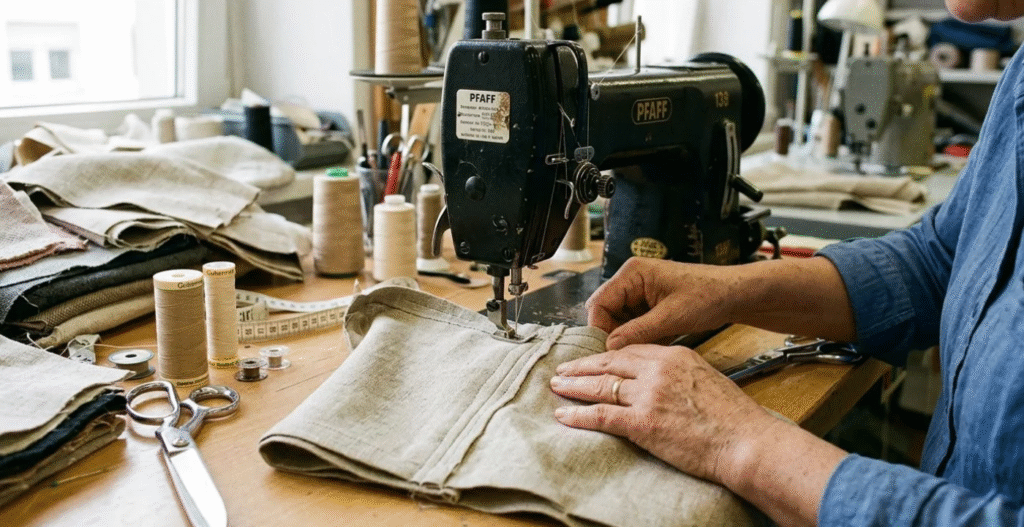
Why Seam Types Matter
Many people only notice fabric, color, or design when buying clothing. However, experienced buyers often inspect the seams first because they reveal the garment’s quality.
Good seam construction provides several important benefits.
Stronger Garments
Proper seams prevent clothing from tearing during daily wear.
Better Comfort
Correct seam placement reduces rubbing against the skin.
Longer Lifespan
Well-made seams survive hundreds of washes without coming apart.
Professional Appearance
Clean seams improve the inside and outside look of clothing.
Improved Fit
Different seam constructions help garments maintain their intended shape over time.
Choosing the wrong seam can cause stretching, puckering, ripping, or uncomfortable clothing.
How Seam Types Are Classified
Professionals generally classify nahttypen according to their construction.
The major categories include:
- Plain seams
- French seams
- Flat-felled seams
- Lapped seams
- Bound seams
- Welt seams
- Decorative seams
- Overlocked seams
- Double-stitched seams
- Specialty seams
Each category serves different purposes depending on the fabric and final product.
Plain Seam (The Basic Seam)
The plain seam is the foundation of nearly every sewing project.
Two fabric pieces are placed with their right sides facing each other. After stitching, the seam is opened or pressed to one side.
Also Read: Ciulioneros: The Understanding the Internet Culture Behind the Trending Digital Phenomenon
It is the simplest and fastest seam construction.
Best Uses
- Shirts
- Dresses
- Skirts
- Curtains
- Pillowcases
- Beginner sewing projects
Advantages
- Easy to sew
- Fast production
- Uses little fabric
- Suitable for almost every fabric
- Easy to repair
Disadvantages
- Raw edges can fray.
- Often requires additional finishing.
- Less durable under heavy stress.
Although basic, the plain seam remains the most widely used seam in garment manufacturing worldwide.
French Seam
The French seam completely encloses raw fabric edges inside the seam itself.
Instead of leaving fabric edges exposed, they are folded and stitched twice, producing an elegant interior finish.
This makes it popular for luxury garments.
Best Fabrics
- Silk
- Chiffon
- Organza
- Linen
- Lightweight cotton
Advantages
- Very clean finish
- No exposed raw edges
- Strong construction
- Professional appearance
- Excellent durability
Disadvantages
- Takes longer to sew
- Uses slightly more fabric
- Not suitable for thick materials
Luxury brands often use French seams because they improve both appearance and durability.
Flat-Felled Seam
The flat-felled seam is among the strongest nahttypen available.
Instead of exposing seam allowances, one allowance wraps around the other before being stitched flat.
This creates two visible rows of stitching.
Common Uses
- Denim jeans
- Workwear
- Children’s clothing
- Outdoor clothing
- Uniforms
Advantages
- Extremely durable
- Flat against the body
- No exposed edges
- Resists heavy wear
- Excellent wash durability
Disadvantages
- More difficult to sew
- Time-consuming
- Not ideal for lightweight fabrics
This seam is one reason quality jeans can last for many years.
Lapped Seam
In a lapped seam, one fabric overlaps another instead of meeting edge to edge.
The overlapping section is stitched together securely.
Applications
- Leather products
- Heavy fabrics
- Sports equipment
- Industrial textiles
- Waterproof garments
Benefits
- Strong construction
- Decorative appearance
- Handles thick materials well
- Reduces seam bulk
Lapped seams are common in products that require strength without excessive thickness.
Bound Seam
Bound seams use an additional strip of fabric or binding tape to cover raw edges.
Bias tape is commonly used.
Popular Uses
- Jackets
- Unlined coats
- Bags
- Quilts
- Premium garments
Advantages
- Beautiful interior finish
- Protects raw edges
- Increases durability
- Adds decorative detail
Limitations
- Requires additional materials
- More sewing time
- Higher production cost
Many high-end garments feature bound seams because they demonstrate careful craftsmanship.
Welt Seam
A welt seam resembles a flat-felled seam but includes only one visible row of topstitching.
It creates a slightly raised appearance.
Best Applications
- Uniforms
- Decorative jackets
- Upholstery
- Fashion garments
Advantages
- Attractive design
- Strong enough for daily wear
- Professional appearance
Because of its decorative quality, welt seams are frequently used where appearance is just as important as strength.
Slot Seam
The slot seam is primarily decorative.
Instead of joining fabric edges directly, a strip of contrasting fabric is inserted beneath the opening between two pieces.
Visible stitching secures the layers while showcasing the contrasting material.
Popular Uses
- Fashion garments
- Decorative skirts
- Costume design
- Luxury apparel
Designers often use slot seams to introduce color contrast without adding printed patterns.
Overlocked Seam
Modern garments frequently rely on overlock stitching.
Specialized overlock machines trim fabric edges while simultaneously enclosing them with thread.
This prevents fraying and speeds production.
Common Products
- T-shirts
- Leggings
- Sportswear
- Knitwear
- Casual clothing
Advantages
- Fast manufacturing
- Prevents fraying
- Flexible stitching
- Suitable for stretchy fabrics
Disadvantages
- Requires a serger machine
- Less decorative
- Difficult to repair by hand
Because speed is essential in mass production, overlocked seams dominate today’s apparel industry.
Zigzag Seam
The zigzag stitch is technically a stitch type but often functions as a seam finish.
It moves from side to side instead of straight ahead.
Ideal For
- Stretch fabrics
- Elastic garments
- Swimwear
- Knit fabrics
Benefits
- Allows stretching
- Prevents thread breakage
- Easy to sew on most home machines
Many beginner sewists use zigzag stitching before investing in an overlock machine.
Double-Stitched Seam
A double-stitched seam includes two parallel rows of stitching.
This improves strength while adding decorative detail.
Common Applications
- Jeans
- Jackets
- Canvas bags
- Heavy shirts
The additional stitching distributes stress more evenly across the fabric.
Decorative Seam Types
Not every seam exists only for structural purposes.
Some nahttypen are intentionally visible to enhance garment design.
Examples include:
- Topstitched seams
- Piped seams
- Corded seams
- Contrast-stitched seams
- Embroidered seams
Fashion designers often use these techniques to create unique visual effects without relying on prints or embellishments.
How Professionals Choose the Right Nahttypen
Selecting the correct seam is never random. Professional designers evaluate several important factors before deciding which seam type to use.
Fabric Weight
Lightweight fabrics such as chiffon, silk, and voile require delicate seam constructions that avoid adding unnecessary bulk. French seams are often preferred because they create a clean finish while protecting fragile fabrics.
Medium-weight fabrics like cotton, linen, and polyester blends work well with plain seams, bound seams, or welt seams. These materials are versatile and can support several different seam types depending on the garment’s purpose.
Heavy materials including denim, canvas, leather, and upholstery fabrics demand stronger seam constructions. Flat-felled seams, lapped seams, and double-stitched seams provide the durability these fabrics require.
Fabric Stretch
Stretch fabrics behave differently from woven materials. Knit fabrics expand and contract during movement, so seams must stretch without breaking.
For this reason, professional sportswear manufacturers often choose:
- Overlocked seams
- Zigzag stitching
- Coverstitch seams
- Stretch safety seams
These seam types maintain flexibility while preventing thread breakage.
Also Read: Nerwey: The Adaptive Framework Transforming Modern Work, Innovation, and Decision-Making
Garment Purpose
The intended use of a garment strongly influences seam selection.
For example:
- Wedding dresses prioritize appearance.
- Work uniforms prioritize durability.
- Children’s clothing needs both strength and comfort.
- Outdoor gear requires weather resistance.
- Athletic clothing demands flexibility.
Professional garment designers match the seam to the garment’s expected performance rather than using one seam type everywhere.
Washing Frequency
Garments that will be washed frequently require stronger seams.
Examples include:
- School uniforms
- Hospital scrubs
- Jeans
- Workwear
- Hotel linens
These products benefit from reinforced seam constructions that withstand repeated laundering.
Manufacturing Cost
In commercial clothing production, time equals money.
Some seam types can be sewn in seconds using automated machinery, while others require additional folding, pressing, or manual work.
Factories often balance quality with production efficiency to achieve the best value.
Choosing the Right Nahttypen for Different Fabrics
One of the biggest mistakes beginners make is using the same seam type for every fabric. Professional sewists know that fabric characteristics determine which seam will perform best. Understanding this relationship helps create garments that look better, last longer, and feel more comfortable.
Cotton Fabrics
Cotton is one of the easiest fabrics to sew and works well with many seam types.
Recommended nahttypen include:
- Plain seam
- French seam
- Flat-felled seam
- Bound seam
Cotton shirts often use plain seams for side seams and flat-felled seams for areas that receive extra stress.
Denim
Denim is heavy, durable, and designed for long-term use. Weak seams quickly fail on denim garments.
Best seam types include:
- Flat-felled seam
- Double-stitched seam
- Lapped seam
These seams distribute stress evenly and withstand years of daily wear.
Silk
Silk is delicate and expensive, requiring careful handling.
Ideal seam types include:
- French seam
- Narrow rolled seam
- Bound seam
These seam constructions prevent fraying while maintaining a smooth, elegant appearance.
Linen
Linen tends to fray more than many other woven fabrics.
Recommended seam types are:
- French seam
- Bound seam
- Plain seam with overlocked edges
Proper seam finishing significantly extends the life of linen garments.
Knitted Fabrics
Knits stretch naturally, so seam flexibility is essential.
Professional manufacturers typically use:
- Overlocked seams
- Coverstitch seams
- Zigzag seams
These allow the garment to stretch without damaging the stitching.
Leather
Leather cannot recover from unnecessary needle holes, making seam selection especially important.
Preferred options include:
- Lapped seam
- Bound seam
- Decorative topstitched seam
These seam types minimize bulk while creating attractive finishes.
Nahttypen Used in Different Clothing Categories
Every clothing category places different demands on seams. The following examples show how professional manufacturers select seam types based on the garment.
Jeans
Jeans experience constant stress during everyday movement.
Common seam types include:
- Flat-felled seams
- Double-stitched seams
- Reinforced inseams
These provide exceptional durability.
Dress Shirts
Dress shirts combine appearance with comfort.
Typical seam choices include:
- Plain seams
- French seams
- Bound collar seams
These create a clean and professional finish.
Sportswear
Athletic clothing must stretch, breathe, and resist repeated washing.
Popular seam types include:
- Overlocked seams
- Flatlock seams
- Coverstitch seams
These reduce irritation while maintaining flexibility.
Formal Dresses
Luxury garments often prioritize appearance over manufacturing speed.
Common seam choices include:
- French seams
- Narrow seams
- Hand-finished seams
These produce smooth interiors and elegant silhouettes.
Outdoor Clothing
Outdoor garments face rain, wind, and heavy use.
Manufacturers frequently use:
- Flat-felled seams
- Bound seams
- Waterproof taped seams
These improve durability and weather resistance.
Industrial Sewing vs. Home Sewing
Although the same basic nahttypen are used in both settings, industrial production differs greatly from home sewing.
Industrial Manufacturing
Large garment factories use specialized machines designed for speed and consistency.
Advantages include:
- High production speed
- Uniform seam quality
- Automated stitching
- Lower manufacturing costs
- Consistent results
Industrial equipment can complete seam constructions in seconds that may take several minutes by hand.
Home Sewing
Home sewing offers greater flexibility and creativity.
Benefits include:
- Personalized garment construction
- Greater attention to detail
- Easy customization
- Opportunity to learn advanced techniques
Many hobby sewists intentionally choose slower seam types because they value craftsmanship over production speed.
International Standards for Seam Types
Professional garment manufacturing often follows international standards to ensure consistency.
Organizations such as ISO and ASTM provide guidelines for seam construction, testing, and quality control. While home sewists may never reference these standards directly, they influence how commercial garments are designed and manufactured around the world.
Using standardized seam terminology also improves communication between designers, manufacturers, and quality inspectors.
How Seam Quality Is Tested
Professional clothing manufacturers do not rely solely on appearance. Every seam must perform under real-world conditions.
Tensile Strength Testing
This test measures how much force a seam can withstand before breaking.
Also Read: Milyom: The Innovative Platform Transforming Digital Creativity
High-strength seams are essential for:
- Workwear
- Safety clothing
- Military uniforms
- Outdoor equipment
Seam Slippage Testing
Some fabrics pull away from the stitching before the thread actually breaks.
Testing identifies whether the fabric weave remains stable around the seam.
Abrasion Testing
Repeated rubbing simulates months or years of daily wear.
This helps manufacturers determine whether seams will survive long-term use.
Wash Testing
Garments are washed repeatedly to evaluate:
- Shrinkage
- Seam distortion
- Thread durability
- Fabric puckering
High-quality seams maintain their shape after dozens of washing cycles.
Common Mistakes When Choosing Nahttypen
Even experienced sewists occasionally select the wrong seam. Understanding common mistakes can help improve project quality.
Using Weak Seams on Heavy Fabrics
Heavy fabrics place significant stress on stitching. A basic plain seam may fail quickly when used on denim or canvas without reinforcement.
Ignoring Fabric Stretch
Stretch fabrics require flexible seam constructions. Using a rigid straight seam on knit fabric often results in broken stitches.
Skipping Seam Finishing
Unfinished raw edges may fray after washing, reducing the lifespan of the garment.
Incorrect Thread Selection
The strongest seam can still fail if low-quality thread is used. Thread should match the fabric’s weight and intended use.
Improper Seam Allowance
Cutting seam allowances too narrow weakens the garment, while excessive seam allowance adds unnecessary bulk.
Professional Tips for Better Seam Construction
Improving seam quality does not always require expensive equipment. Small changes can make a noticeable difference.
Always press seams after stitching. Pressing helps the fabric settle into its intended shape and creates a cleaner finish.
Use sharp needles appropriate for the fabric. A dull or incorrect needle can damage fibers and produce uneven stitches.
Test seam settings on scrap fabric before sewing the final project. This allows adjustments to stitch length and tension without risking the garment.
Choose quality thread rather than the cheapest option. Durable thread often outlasts low-cost alternatives and reduces the likelihood of seam failure.
Reinforce stress points such as pockets, crotch seams, and shoulder seams with additional stitching when necessary.
Take time to measure accurately. Even the strongest seam cannot compensate for poorly cut fabric pieces.
Future Trends in Nahttypen
The sewing and textile industries continue to evolve with new technologies and sustainable practices.
Automation
Modern factories increasingly use computer-controlled sewing machines capable of producing highly consistent seam quality with minimal human intervention.
Smart Textiles
As wearable technology becomes more common, seam construction must accommodate electronic components, sensors, and conductive threads.
Sustainable Manufacturing
Eco-friendly production encourages seam designs that increase garment longevity. Stronger seams reduce waste by extending clothing life.
Seamless Technology
Some athletic garments are now produced with knitting technologies that reduce or eliminate traditional seams. This improves comfort while reducing manufacturing waste.
Advanced Performance Fabrics
New technical fabrics require specialized seam constructions that maintain waterproofing, breathability, and elasticity simultaneously.
These innovations suggest that while traditional nahttypen remain essential, future seam technology will continue adapting to changing consumer needs and manufacturing methods.
Conclusion
Understanding nahttypen is about far more than learning sewing terminology. Seam types influence nearly every aspect of a garment, including its appearance, comfort, durability, flexibility, and overall quality. From the simplicity of a plain seam to the exceptional strength of a flat-felled seam and the elegant finish of a French seam, each construction serves a unique purpose.
Whether you are sewing at home, studying fashion design, or working in textile manufacturing, selecting the right seam for the right fabric is one of the most valuable skills you can develop. Careful seam selection not only improves the finished product but also extends its lifespan, enhances comfort, and reflects professional craftsmanship.
As textile technology continues to advance, new seam techniques and automated manufacturing methods will emerge. However, the fundamental principles behind nahttypen—joining fabric securely, efficiently, and beautifully—will remain central to quality garment construction for years to come.
Frequently Asked Questions About Nahttypen
1. Can multiple nahttypen be used in the same garment?
Yes. Professional garments often combine several seam types. For example, a jacket may use flat-felled seams for strength, French seams for lining, and bound seams for decorative interior finishes.
2. Which seam type is best for beginners to practice first?
The plain seam is the best starting point because it is easy to learn, works with most fabrics, and forms the foundation for many advanced seam techniques.
3. Do different thread materials affect seam performance?
Absolutely. Cotton, polyester, nylon, and specialty threads each offer different levels of strength, stretch, and durability. Matching the thread to the fabric improves overall seam quality.
4. Are seam types important in upholstery and home décor projects?
Yes. Furniture covers, curtains, cushions, and other home textiles often require stronger or more decorative seam types than everyday clothing due to heavier fabrics and frequent use.
5. Can decorative seams also improve garment strength?
Yes. Some decorative seams, such as topstitched or double-stitched seams, enhance both the appearance and structural integrity of a garment by adding reinforcement while creating an attractive finish.
