



Every year, millions of tons of waste end up in landfills, rivers, and oceans. As populations grow and consumption increases, communities around the world face a serious challenge: how to manage waste efficiently while protecting the environment. Traditional recycling systems have helped reduce waste, but many still struggle with poor collection methods, contamination, and inefficient resource recovery.
This is where matarecycler introduces a fresh and practical approach.
MataRecycler is a modern recycling model designed to improve every stage of the recycling process—from waste collection and sorting to treatment, recovery, and reuse. Instead of viewing waste as something to throw away, the matarecycler concept treats waste as a valuable resource that can be transformed into new products and materials.
Unlike conventional recycling systems that often operate independently, matarecycler promotes an integrated recycling ecosystem. This means households, businesses, industries, recycling centers, and local governments work together to maximize material recovery while reducing environmental impact.
As sustainability becomes a priority across the United States and around the world, the matarecycler model offers an innovative solution that supports cleaner cities, stronger economies, and healthier communities.
This guide explores everything you need to know about matarecycler, including how it works, its benefits, technologies, challenges, future opportunities, and why it may represent the next generation of recycling systems.
What Is MataRecycler?
MataRecycler is an integrated recycling framework that focuses on improving waste management through smarter collection, efficient material processing, and maximum resource recovery.
Rather than relying solely on traditional recycling bins and collection schedules, matarecycler combines modern technology, environmental planning, community participation, and circular economy principles into one coordinated system.
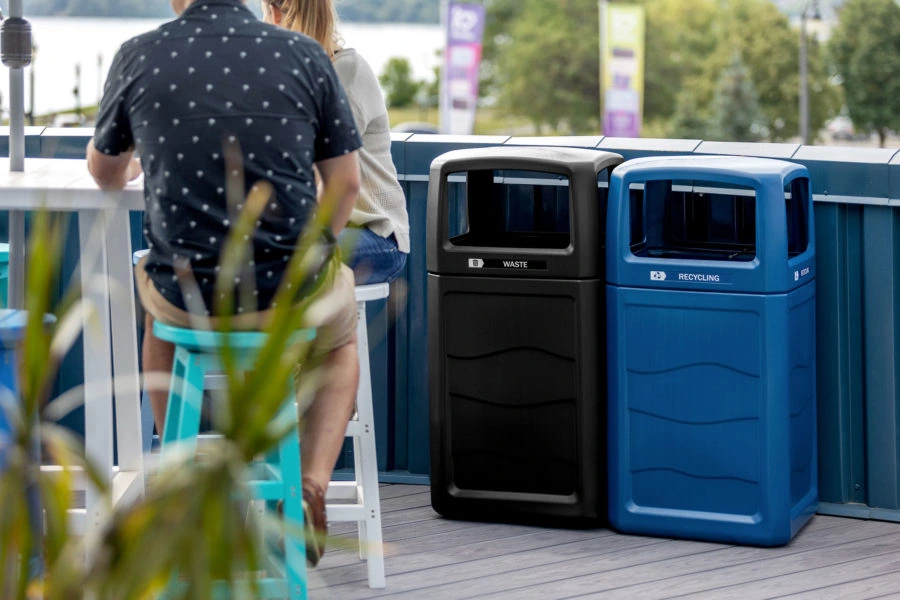
Its primary goals include:
- Reducing landfill waste
- Increasing recycling efficiency
- Recovering valuable materials
- Supporting sustainable manufacturing
- Lowering carbon emissions
- Encouraging responsible consumer behavior
- Creating long-term environmental benefits
The idea behind matarecycler is simple:
Waste should never be considered useless if it can be transformed into something valuable.
This philosophy aligns with modern sustainability strategies that emphasize reducing waste at its source while extending the life of materials already in circulation.
Also Read: Ciulioneros: The Understanding the Internet Culture Behind the Trending Digital Phenomenon
Why MataRecycler Is Becoming More Important
Waste generation continues to increase every year.
Growing urban populations, online shopping, food packaging, electronics, and construction projects all contribute to rising waste levels. Traditional recycling programs often struggle because recyclable materials become contaminated or are not sorted correctly.
MataRecycler addresses these challenges by improving every stage of the recycling chain.
Instead of solving one problem at a time, it creates a complete system where collection, transportation, processing, manufacturing, and consumers all contribute toward sustainability.
Several global trends make matarecycler increasingly relevant:
Growing environmental awareness
Consumers today care more about sustainable products than ever before. Companies are also under pressure to reduce their environmental impact.
Government sustainability goals
Many governments encourage better recycling practices through environmental regulations and recycling targets.
Corporate responsibility
Businesses seek better ways to reuse materials and reduce production waste while lowering operational costs.
Technological innovation
Artificial intelligence, robotics, smart sensors, and data analytics make recycling faster, cleaner, and more accurate than traditional manual systems.
Climate change
Reducing landfill waste helps decrease methane emissions while conserving natural resources needed for manufacturing.
Core Principles of MataRecycler
Several key principles define the matarecycler model.
Integrated Waste Collection
Instead of treating waste collection as a separate service, matarecycler connects households, businesses, industries, and municipalities into one coordinated system.
Waste is collected using optimized routes, digital monitoring, and smart planning.
Efficient Material Sorting
One of the biggest recycling challenges is contamination.
MataRecycler encourages better sorting practices through education, technology, and automated systems that separate recyclable materials more accurately.
Resource Recovery
The goal is not simply recycling.
The goal is recovering as many useful materials as possible.
These materials may include:
- Plastic
- Glass
- Paper
- Cardboard
- Steel
- Aluminum
- Copper
- Organic waste
- Electronic components
- Construction materials
Circular Economy
Instead of following the traditional “take, make, use, throw away” model, matarecycler supports a circular economy where materials remain in use for as long as possible.
Products are repaired, reused, refurbished, recycled, and transformed into new products.
Continuous Improvement
The recycling system continuously collects performance data to identify areas for improvement.
Organizations can monitor:
- Collection efficiency
- Recycling rates
- Processing speed
- Material recovery
- Energy usage
- Carbon emissions
This allows recycling programs to improve over time.
How the MataRecycler Process Works
Although implementations vary, the matarecycler process generally follows several important stages.
Step 1: Waste Generation
Waste originates from multiple sources:
- Homes
- Offices
- Schools
- Restaurants
- Hospitals
- Factories
- Construction sites
- Retail businesses
Proper waste separation begins at this stage.
Step 2: Smart Collection
Instead of fixed collection schedules, modern systems may use:
- Smart waste bins
- GPS route optimization
- Fill-level sensors
- Digital monitoring
- Automated scheduling
These improvements reduce fuel consumption while improving collection efficiency.
Step 3: Transportation
Collected waste moves to specialized processing facilities.
Transportation routes are optimized to reduce costs and emissions.
Step 4: Material Sorting
Materials are separated into categories such as:
- Metals
- Plastics
- Paper
- Glass
- Organics
- Hazardous waste
- Electronic waste
Modern sorting facilities often combine manual inspection with automated technologies.
Step 5: Processing
Each material undergoes different treatment.
Examples include:
Plastic
Cleaned, shredded, melted, and formed into recycled pellets.
Paper
Pulped, cleaned, and manufactured into new paper products.
Glass
Crushed, melted, and remanufactured.
Metals
Melted and reused in manufacturing.
Organic waste
Converted into compost or renewable energy.
Electronic waste
Valuable metals and reusable components are recovered safely.
Step 6: Manufacturing
Recovered materials become raw materials for new products.
Manufacturers reduce dependence on newly extracted natural resources.
Step 7: Consumer Reuse
Consumers purchase products made with recycled materials.
After use, these products can enter the recycling process again.
This creates a continuous recycling cycle.
Technology Behind MataRecycler
Modern technology plays an important role in improving recycling performance.
Artificial Intelligence
AI systems can identify different materials using cameras and machine learning.
Benefits include:
- Faster sorting
- Higher accuracy
- Reduced contamination
- Lower labor costs
Robotics
Robotic arms separate recyclable materials quickly and consistently.
They can identify plastics, metals, glass, and paper in real time.
Internet of Things (IoT)
Smart recycling bins use sensors that monitor:
- Fill levels
- Temperature
- Weight
- Collection frequency
Cities can optimize waste collection based on actual demand.
Data Analytics
Recycling facilities collect large amounts of operational data.
Analytics help improve:
- Equipment performance
- Transportation routes
- Energy consumption
- Recycling efficiency
Digital Tracking
Some advanced recycling systems track materials from collection through processing.
This improves transparency and accountability across the recycling chain.
Major Benefits of MataRecycler
The matarecycler model provides advantages for individuals, businesses, governments, and the environment.
Higher Recycling Rates
Better sorting and collection increase the percentage of materials successfully recycled.
Also Read: Nerwey: The Adaptive Framework Transforming Modern Work, Innovation, and Decision-Making
Reduced Landfill Waste
More materials are recovered before reaching landfills.
This extends landfill lifespan while reducing environmental pollution.
Lower Carbon Emissions
Manufacturing with recycled materials often requires less energy than producing products from raw resources.
This helps reduce greenhouse gas emissions.
Resource Conservation
Natural resources remain available for future generations.
Recycling reduces demand for mining, logging, and petroleum extraction.
Cleaner Communities
Efficient waste management reduces litter and illegal dumping while improving public health.
Economic Growth
Recycling industries create jobs in:
- Collection
- Transportation
- Equipment manufacturing
- Facility operations
- Material processing
- Product manufacturing
Industries That Benefit from MataRecycler
Many industries can adopt matarecycler principles.
Manufacturing
Factories reduce production waste while increasing recycled material use.
Construction
Concrete, wood, metals, asphalt, and bricks can be recovered and reused.
Construction companies reduce disposal costs while supporting sustainability.
Retail
Retailers improve packaging sustainability and encourage customer recycling programs.
Healthcare
Medical facilities safely separate recyclable materials from hazardous waste.
Electronics
Electronic manufacturers recover valuable metals and reduce e-waste.
Agriculture
Organic waste becomes compost that improves soil quality while reducing chemical fertilizer use.
Hospitality
Hotels and restaurants reduce food waste while increasing recycling participation.
The Role of Communities in MataRecycler
Technology alone cannot build a successful recycling system. Community participation remains one of the most important factors behind the success of matarecycler.
When residents understand how to sort waste correctly, recycling facilities receive cleaner materials that are easier to process. Schools, local organizations, businesses, and municipalities all play a role in educating people about responsible waste management.
Community involvement can include:
- Recycling education programs
- Neighborhood cleanup campaigns
- School recycling competitions
- Incentive-based recycling initiatives
- Public awareness campaigns
- Business partnerships for waste reduction
When communities actively participate, recycling rates improve significantly while operational costs decrease.
Why Businesses Are Interested in MataRecycler
Companies increasingly recognize that sustainability is not only good for the environment but also beneficial for long-term business success.
Businesses adopting matarecycler principles may experience advantages such as:
- Reduced waste disposal costs
- Lower raw material expenses
- Improved environmental reputation
- Better compliance with sustainability regulations
- Greater customer trust
- Stronger ESG (Environmental, Social, and Governance) performance
Many consumers now prefer brands that demonstrate genuine environmental responsibility, making integrated recycling systems a competitive advantage rather than simply a compliance requirement.
Environmental Benefits of MataRecycler
One of the biggest strengths of the matarecycler model is its positive impact on the environment. Traditional waste management often focuses on collecting and disposing of trash. MataRecycler goes much further by helping recover valuable materials before they become pollution.
Reduces Landfill Waste
Landfills are filling up faster than ever. Many recyclable materials still end up buried instead of being reused.
By improving collection and sorting, matarecycler diverts a much larger percentage of waste away from landfills. This helps preserve land while reducing harmful environmental effects.
Protects Natural Resources
Every recycled product means fewer raw materials need to be extracted.
For example:
- Recycled paper helps save trees.
- Recycled metals reduce mining activities.
- Recycled plastic lowers demand for petroleum.
- Recycled glass reduces the need for sand extraction.
Protecting natural resources helps maintain healthy ecosystems for future generations.
Lowers Greenhouse Gas Emissions
Manufacturing products from recycled materials usually requires less energy than producing them from virgin resources.
Less energy consumption means fewer greenhouse gas emissions, making matarecycler an important contributor to climate change mitigation.
Reduces Water Pollution
Improper waste disposal often contaminates rivers, lakes, and oceans.
A more efficient recycling system prevents plastics, chemicals, and hazardous materials from entering waterways, helping protect aquatic life and drinking water supplies.
Supports Cleaner Cities
Better waste collection reduces litter on streets, in parks, and around public spaces. Cleaner neighborhoods improve public health while making communities more attractive for residents and businesses.
Economic Benefits of MataRecycler
Environmental sustainability and economic growth can work together. MataRecycler demonstrates that recycling is not simply an environmental responsibility—it is also an economic opportunity.
Creates New Jobs
An integrated recycling system supports employment across multiple sectors, including:
- Waste collection
- Recycling facility operations
- Transportation
- Equipment maintenance
- Material processing
- Manufacturing
- Environmental consulting
- Data analysis
- Technology development
These jobs contribute to local economies while supporting sustainable industries.
Reduces Business Costs
Businesses that recover reusable materials often spend less on purchasing new raw materials.
Waste reduction also lowers disposal expenses and can improve overall operational efficiency.
Encourages Innovation
As organizations adopt matarecycler principles, demand grows for advanced recycling technologies, automation systems, software platforms, and sustainable product design.
Innovation creates opportunities for startups, researchers, and technology companies.
Supports Circular Business Models
Companies increasingly design products that can be repaired, refurbished, or recycled at the end of their life cycle.
This approach creates long-term value while reducing waste generation.
Challenges Facing MataRecycler
Although the matarecycler concept offers many benefits, successful implementation requires overcoming several challenges.
Public Awareness
Many people still do not understand proper recycling practices.
Contaminated recycling bins reduce processing efficiency and increase costs.
Education remains essential.
Infrastructure Investment
Modern recycling facilities require advanced equipment, automation, and transportation systems.
Initial investment costs may be significant, especially for smaller communities.
Changing Consumer Behavior
Convenience often influences consumer decisions.
Encouraging people to separate waste correctly requires consistent education and incentives.
Material Contamination
Food waste, liquids, and mixed materials can reduce the quality of recyclable materials.
Better sorting at the source helps solve this problem.
Rapidly Changing Packaging
Manufacturers continue introducing new packaging materials.
Recycling systems must continuously adapt to process these evolving products efficiently.
Practical Solutions for Successful MataRecycler Implementation
Organizations can improve recycling performance by following several best practices.
Improve Public Education
Simple recycling instructions help households understand what can and cannot be recycled.
Visual guides, school programs, and community workshops improve participation.
Use Smart Technology
Smart bins, AI-powered sorting, and digital monitoring improve efficiency while reducing operational costs.
Technology helps facilities process larger volumes of waste with greater accuracy.
Build Strong Partnerships
Successful recycling systems require collaboration between:
- Local governments
- Businesses
- Schools
- Recycling companies
- Community organizations
- Manufacturers
- Consumers
Working together produces better long-term outcomes.
Measure Performance
Organizations should regularly evaluate key performance indicators, including:
- Recycling rate
- Waste diversion rate
- Collection efficiency
- Processing costs
- Material recovery percentage
- Carbon reduction
Continuous improvement ensures the system becomes more effective over time.
Future Trends Shaping MataRecycler
The future of recycling is becoming smarter, more automated, and more connected. MataRecycler aligns closely with these emerging trends.
Artificial Intelligence Will Become Standard
AI systems will continue improving material recognition, reducing contamination, and increasing processing speed.
Future AI models may identify hundreds of different material types with extremely high accuracy.
Greater Automation
Robotic sorting systems will become more affordable, allowing even medium-sized recycling facilities to improve productivity.
Automation also improves worker safety by handling hazardous materials more efficiently.
Digital Material Passports
Manufacturers are beginning to explore digital records that track materials throughout a product’s life cycle.
These digital passports can simplify future recycling by identifying product components instantly.
Smart Cities
Many cities are investing in connected infrastructure.
Smart recycling bins, IoT sensors, and real-time analytics fit naturally within the matarecycler framework.
Zero-Waste Strategies
Governments and businesses increasingly adopt zero-waste goals.
Instead of focusing only on recycling, organizations work to eliminate waste entirely through better product design, repair programs, and material reuse.
MataRecycler supports these broader sustainability objectives.
Best Practices for Businesses Using MataRecycler Principles
Organizations can maximize recycling success by adopting several practical strategies.
Design Products for Recycling
Products should be easier to disassemble and recycle.
Reducing mixed materials simplifies future processing.
Reduce Packaging Waste
Minimal, recyclable packaging reduces transportation costs while improving sustainability.
Train Employees
Employee education ensures waste is sorted correctly before collection.
Small operational improvements often produce significant long-term savings.
Work with Certified Recycling Partners
Reliable recycling partners help maintain high environmental standards while improving transparency.
Track Sustainability Metrics
Organizations should publish measurable sustainability data whenever possible.
Transparency builds trust with customers, investors, and regulatory agencies.
Common Misconceptions About MataRecycler
As the idea of matarecycler becomes more widely discussed, several misunderstandings may arise.
Myth: Recycling Alone Solves Every Waste Problem
Recycling is important, but reducing waste and reusing materials are equally valuable.
MataRecycler encourages all three approaches.
Myth: Technology Can Replace Human Participation
Advanced technology improves efficiency, but community participation remains essential.
People must still separate waste correctly and support sustainable practices.
Myth: Recycling Is Too Expensive
While infrastructure investments may require funding, efficient recycling systems often produce long-term financial savings through recovered materials and reduced landfill costs.
Myth: Only Large Cities Benefit
Communities of all sizes can adapt matarecycler principles.
Even small towns can improve waste management through education, partnerships, and gradual technology adoption.
Also Read: Milyom: The Innovative Platform Transforming Digital Creativity and Online Collaboration
Expert Insights on the Future of MataRecycler
Looking ahead, integrated recycling systems like matarecycler are likely to become more important as sustainability expectations continue to rise.
Future success will depend on balancing technology with human participation. Artificial intelligence and automation can dramatically improve recycling efficiency, but they work best when supported by informed communities, responsible businesses, and forward-thinking public policies.
One of the most promising aspects of matarecycler is its flexibility. The framework can be adapted for cities, rural communities, industrial facilities, educational institutions, and commercial organizations. Rather than prescribing a single solution, it provides guiding principles that can evolve alongside new technologies and environmental priorities.
As circular economy practices expand globally, systems inspired by the matarecycler approach may become central to responsible resource management.
Conclusion
The growing waste management challenge requires smarter, more sustainable solutions. MataRecycler represents an innovative recycling model that combines efficient waste collection, advanced sorting technologies, resource recovery, and circular economy principles into one integrated system.
Instead of treating waste as a problem, matarecycler views it as an opportunity to recover valuable materials, reduce environmental impact, and create economic value.
Its benefits extend beyond recycling facilities. Households, businesses, governments, manufacturers, and communities all play essential roles in building a more sustainable future.
Although challenges such as infrastructure investment, public education, and changing consumer behavior remain, advances in artificial intelligence, automation, smart city technology, and data analytics continue to strengthen the potential of integrated recycling systems.
For organizations committed to sustainability, adopting matarecycler principles can improve operational efficiency, reduce waste, support environmental goals, and contribute to a healthier planet for future generations.
As environmental awareness continues to grow across the United States and worldwide, matarecycler offers a practical roadmap toward cleaner communities, stronger economies, and a truly circular future.
Frequently Asked Questions (FAQs)
What is matarecycler in simple words?
MataRecycler is a modern recycling model that improves how waste is collected, sorted, processed, and reused. It focuses on creating an integrated recycling system that maximizes resource recovery while reducing landfill waste.
How is matarecycler different from traditional recycling?
Traditional recycling often focuses only on collecting recyclable materials. MataRecycler improves the entire recycling chain by combining technology, community participation, efficient logistics, and circular economy principles.
Can small businesses use matarecycler principles?
Yes. Small businesses can reduce waste, improve recycling practices, use recyclable packaging, educate employees, and work with recycling partners to adopt many matarecycler concepts.
Does matarecycler only focus on plastic recycling?
No. MataRecycler supports recycling and recovery of many materials, including paper, cardboard, glass, metals, electronics, construction materials, and organic waste.
Can households participate in a matarecycler system?
Absolutely. Proper waste separation, reducing single-use products, composting organic waste, and following local recycling guidelines all contribute to the success of a matarecycler approach.
Is matarecycler suitable for smart cities?
Yes. Smart cities can integrate IoT sensors, AI-powered sorting, smart waste bins, and digital monitoring systems to improve recycling efficiency using matarecycler principles.
How does matarecycler help businesses meet sustainability goals?
It helps reduce waste, improve resource efficiency, lower disposal costs, increase recycled material use, and support Environmental, Social, and Governance (ESG) initiatives.
Can matarecycler reduce operational costs?
Over time, yes. Improved material recovery, efficient transportation, optimized collection routes, and lower landfill fees can reduce overall waste management costs.
What technologies are commonly associated with matarecycler?
Common technologies include artificial intelligence, machine learning, robotics, Internet of Things (IoT) sensors, smart waste bins, data analytics, digital tracking systems, and automated material sorting.
What is the future of matarecycler?
The future of matarecycler is expected to include greater automation, AI-driven recycling, digital material tracking, stronger circular economy practices, and broader adoption by cities, businesses, and industries seeking sustainable waste management solutions.
