


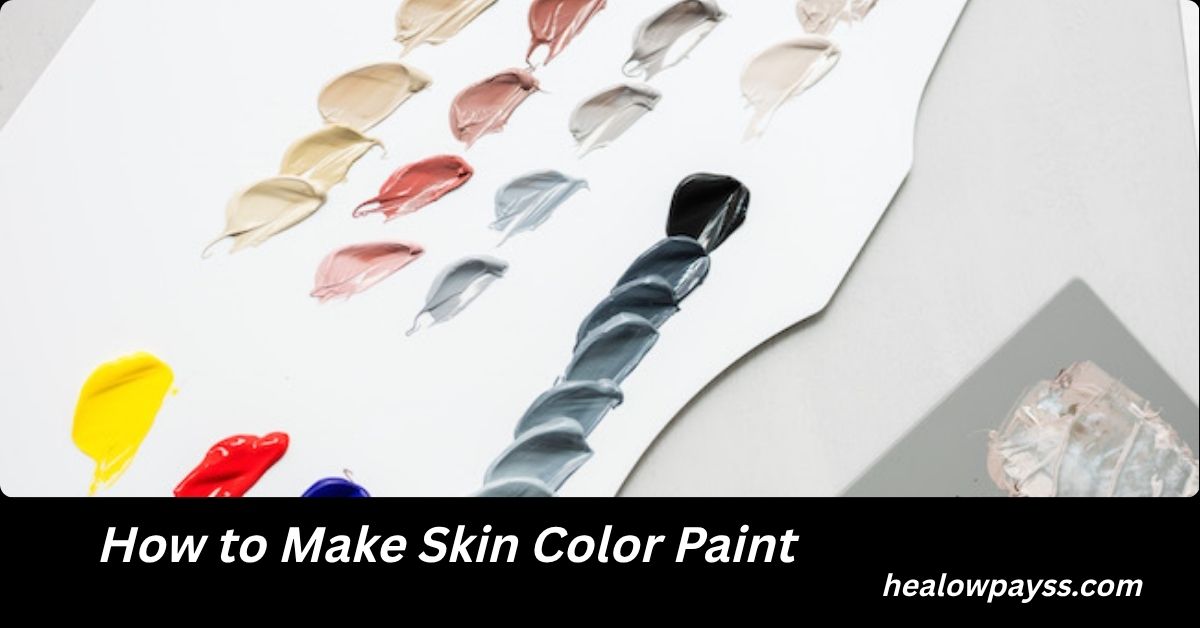
Creating realistic skin tones is one of the most useful and rewarding skills in painting. Whether you are working with acrylics, oils, or watercolors, learning how to mix natural-looking skin shades will instantly improve your artwork. This guide will teach you everything you need to know about how to make skin color paint in a simple, clear, and practical way.
This article is designed for beginners and intermediate artists in the US who want easy instructions, real understanding, and professional-level results. You will also learn tips that go beyond common advice online, helping you develop your own mixing skills with confidence.
What Is Skin Color Paint and Why It Matters
Skin color paint is not just one color. Human skin has many tones, shades, and variations. Even one person’s skin can look different depending on lighting, shadows, and surroundings.
Many beginners make the mistake of trying to use one “skin color” straight from a tube. This often looks flat and unrealistic. Real skin tones are created by mixing multiple colors together.
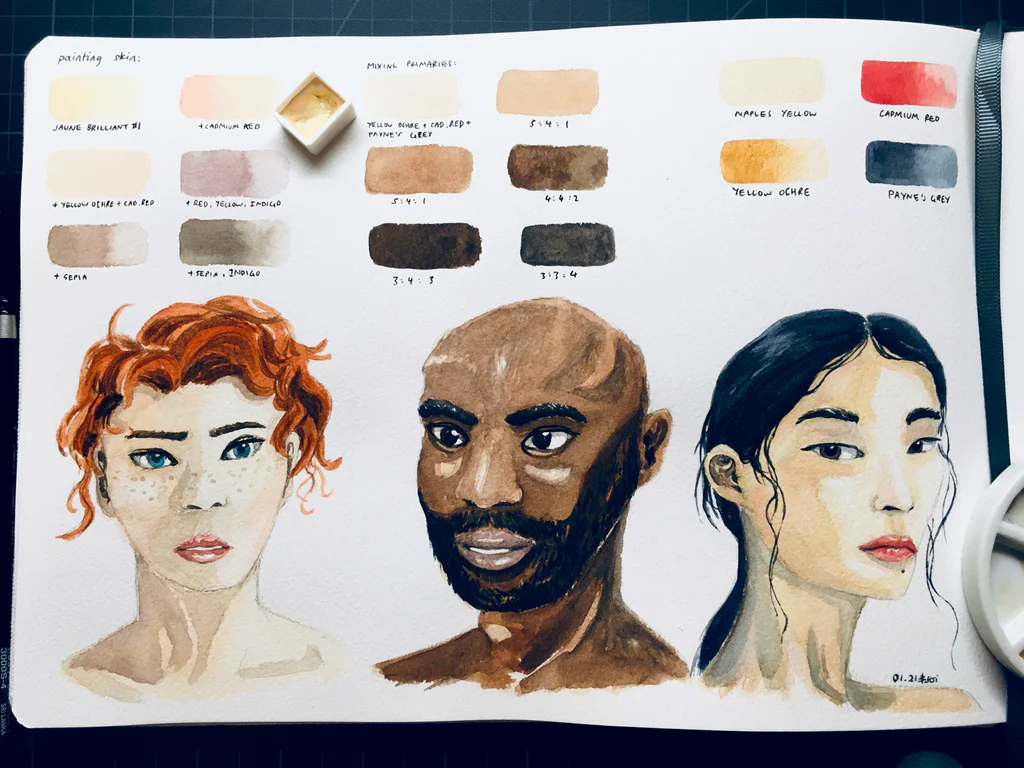
Understanding how to make skin color paint gives you the ability to:
- Paint realistic portraits
- Add depth and life to your artwork
- Customize tones for different people and lighting conditions
- Improve your overall color mixing skills
Basic Colors You Need to Make Skin Tones
Before learning how to make human skin color paint, you need the right base colors. You do not need a large collection. Just a few basic colors are enough.
Here are the essential colors:
- Red
- Yellow
- Blue
- White
- Optional: Burnt Sienna or Brown
These colors allow you to mix almost any skin tone.
Red and yellow help create warmth
Blue helps control depth and coolness
White adjusts brightness
Brown adds natural earth tones
Also Read: Who Pays Medical Bills After a Car Accident? A Complete Guide for U.S. Drivers
Understanding Skin Tone Basics
Before you start mixing, it is important to understand that skin tones have three main parts:
Undertone
This is the base color under the skin. It can be warm, cool, or neutral.
Midtone
This is the main color you see.
Highlight and shadow
These create depth and realism.
When learning how to make skin color in paint, always think in layers instead of just one color.
Step-by-Step: How to Make Skin Color Paint
Now let’s go through a simple method anyone can follow.
Step 1: Start with Red and Yellow
Mix red and yellow to create orange. This forms the base of most skin tones.
Step 2: Add Blue Carefully
Add a tiny amount of blue to reduce the brightness. This makes the color more natural.
Step 3: Add White
Add white to lighten the color and create a basic skin tone.
Step 4: Adjust
- Add more red for warmth
- Add more yellow for brightness
- Add more blue for cooler tones
This is the core method for how to make a skin color with paint.
How to Make Light Skin Tone
Light skin tones require more white and less intense color.
Steps:
- Start with orange (red + yellow)
- Add a small amount of blue
- Mix in plenty of white
To improve realism:
- Add a tiny bit of red for a pink tone
- Add a touch of yellow for warmth
Avoid making it too pale or chalky.
How to Make Medium Skin Tone
Medium skin tones are balanced and slightly deeper.
Steps:
- Mix red and yellow
- Add a little blue
- Add some white, but less than for light skin
Adjustments:
- Add brown or burnt sienna for richness
- Add red for warmth
How to Make Dark Skin Tone
Dark skin tones are not just darker versions of light tones. They have rich, deep colors.
Steps:
- Start with red, yellow, and blue
- Add more blue and red
- Add brown if available
Tips:
- Avoid using black alone, as it can look dull
- Use layered tones for realism
Common Mistakes When Mixing Skin Color
Many beginners struggle because of simple mistakes.
Also Read: Pyntekvister: Complete Guide to Decorative Branches for Modern Home Decor
Using only one color
Real skin tones need mixing
Adding too much blue
This can make the color look gray
Using black to darken
This removes natural warmth
Not testing colors
Always test before applying
Advanced Tips for Realistic Skin Tones
Once you understand the basics of how to make skin color paint, you can improve your results with these techniques.
Use layering
Apply thin layers instead of one thick layer
Observe real skin
Look closely at photos or real people
Mix on palette and canvas
Sometimes colors look different when applied
Use complementary colors
A small amount of green can balance red tones
How Lighting Affects Skin Color
Lighting changes everything.
Warm light
Makes skin look more yellow or orange
Cool light
Adds blue or gray tones
Indoor lighting
Often adds a soft yellow tint
Outdoor lighting
Shows more natural variation
When learning how to make skin color in paint, always consider the light source.
Best Paint Types for Skin Tone Mixing
Different paints behave differently.
Acrylic
Fast drying and beginner-friendly
Oil
Smooth blending and great for realism
Watercolor
Light and transparent, requires planning
Each type works well for learning how to make a skin color with paint.
Creating Realistic Shadows and Highlights
Skin is not flat. You need variation.
Shadows
Add blue, purple, or dark brown
Highlights
Add white with a little yellow
Midtones
Keep balanced and natural
Blending these creates depth and realism.
How to Practice Skin Tone Mixing
Practice is key.
Try these exercises:
- Mix 5 different skin tones
- Paint simple faces
- Match colors from photos
The more you practice, the better you will understand how to make human skin color paint.
How to Mix Skin Color Without Brown
If you do not have brown paint, you can still create natural tones.
Mix:
- Red
- Yellow
- Blue
Adjust until you get a balanced tone.
This method gives you more control and teaches true color mixing.
How to Fix Skin Tone Mistakes
If your color looks wrong, do not worry.
Too red
Add green or blue
Too yellow
Add red or blue
Too dark
Add white
Too pale
Add red or yellow
Fixing mistakes is part of learning.
Professional Insights: What Most Guides Don’t Tell You
Many online guides give basic formulas but miss important ideas.
Skin is never one color
Even simple paintings need variation
Mix small amounts
Large mixes are harder to control
Use reference images
Guessing leads to poor results
Build gradually
Start simple, then refine
These insights will help you go beyond beginner level.
Also Read: gayfirir: A Complete Guide to the Emerging World of LGBTQ+ Digital Storytelling
How to Create Different Ethnic Skin Tones
Every skin tone is unique. Respect and accuracy are important.
Fair skin
More white and slight red
Olive skin
Add green or yellow tones
Dark skin
Rich reds, blues, and browns
Do not rely on stereotypes. Always observe real references.
Best Color Combinations for Skin Tones
Here are some helpful mixes:
Basic mix
Red + Yellow + Blue + White
Warm tone
Add more red and yellow
Cool tone
Add more blue
Natural tone
Add a small amount of brown
Why Skin Tone Mixing Improves Your Art
Learning how to make skin color paint improves more than portraits.
You will:
- Understand color theory better
- Improve blending skills
- Gain confidence in painting
This skill applies to many types of art.
Simple Daily Practice Routine
To improve faster, try this routine:
Day 1
Mix light tones
Day 2
Mix medium tones
Day 3
Mix dark tones
Day 4
Practice blending
Day 5
Paint a simple face
Repeat and improve.
Also Read: Application Mobile DualMedia: Complete Guide to Features, Benefits, and Future Trends
FAQs About How to Make Skin Color Paint
What colors make skin tone paint?
Red, yellow, blue, and white are the main colors used to create skin tones.
Can I use black to make skin color paint?
It is not recommended because it can make the color look dull. Use blue or brown instead.
How do I make skin tone look more realistic?
Use multiple shades, add highlights and shadows, and avoid flat colors.
Is there a single formula for skin color?
No. Skin tones vary depending on lighting, person, and environment.
How do beginners learn faster?
Practice mixing small amounts and use real references.
Can I mix skin tones without white?
Yes, but white helps create lighter tones and highlights.
What is the easiest way to start?
Mix red and yellow first, then adjust with blue and white.
Why does my skin color look gray?
Too much blue or black may be added. Balance it with red or yellow.
Conclusion: Mastering How to Make Skin Color Paint
Learning how to make skin color paint is a powerful skill that can transform your artwork. It may seem difficult at first, but with simple steps and regular practice, anyone can learn it.
Focus on understanding colors instead of memorizing formulas. Observe real skin, experiment with mixes, and keep improving your technique.
By following this guide, you now have a strong foundation in how to make human skin color paint, how to make skin color in paint, and how to make a skin color with paint in a way that is practical, realistic, and easy to understand.
Keep practicing, stay patient, and your results will continue to improve.
