


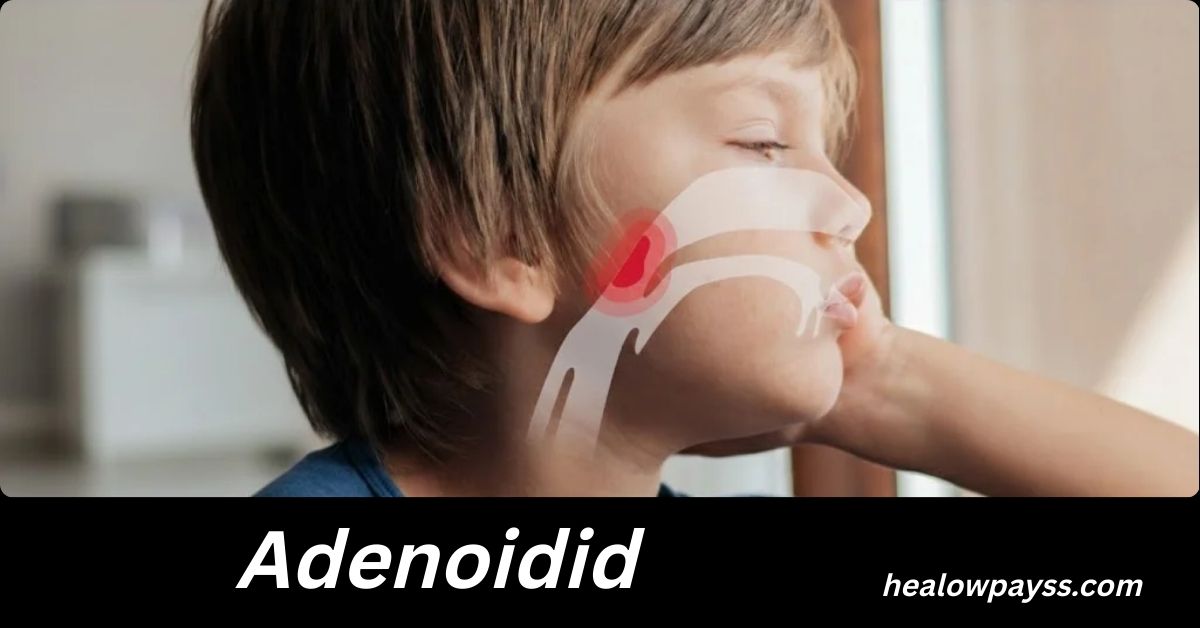
Adenoidid is a condition related to the adenoids, small masses of lymphatic tissue located behind the nose in the upper throat area called the nasopharynx. These tissues are part of the body’s immune system and help protect the body from bacteria and viruses that enter through the nose and mouth.
Although adenoids play an important role in early childhood immunity, they can sometimes become inflamed, infected, or enlarged. When this happens, it can lead to a condition commonly referred to as adenoidid. This condition can affect breathing, sleeping, ear health, and overall comfort, especially in children.
Understanding adenoidid is important because many people confuse it with other conditions such as sinus infections, allergies, or tonsil problems. In reality, adenoidid can cause its own unique symptoms and complications if it is not diagnosed and treated properly.
This comprehensive guide explains everything you need to know about adenoidid. You will learn what adenoids are, why problems develop, the symptoms to watch for, how doctors diagnose the condition, and the treatments available today. The goal is to provide clear, easy-to-understand information so anyone can better understand this health issue.
What Are Adenoids?
Adenoids are a type of lymphatic tissue found in the upper throat behind the nasal cavity. They are similar to tonsils but are located higher up in the throat where the nose meets the throat.
Adenoids are part of the body’s immune defense system. Their job is to trap bacteria, viruses, and other harmful particles that enter through breathing. Once these germs are trapped, the immune system can attack and destroy them.

Adenoids are most active during childhood. In fact, they tend to grow larger between the ages of three and seven years. During this time, children are exposed to many new germs, so the immune system works hard to protect the body.
As children grow older, the adenoids usually shrink naturally. By the teenage years, they often become very small or disappear completely.
Because adenoids are located deep inside the nasal passage, they cannot be seen by simply opening the mouth. Doctors need special tools to examine them.
Understanding Adenoidid
Adenoidid refers to inflammation, infection, or enlargement of the adenoids that leads to symptoms and health problems.
The condition usually happens when the adenoids become swollen due to repeated infections or allergies. When they become enlarged, they can block the nasal airway and affect breathing.
This blockage can cause several issues, including mouth breathing, snoring, sleep problems, and frequent ear infections.
Adenoidid is most common in children, but it can also occur in teenagers and adults in rare cases. In adults, enlarged adenoids may sometimes signal other health concerns that require careful medical evaluation.
Why Adenoids Become Enlarged
Several factors can lead to the development of adenoidid. The most common cause is infection.
Repeated Infections
Children often get colds, flu, and other respiratory infections. Each time the body fights infection, the adenoids can swell as part of the immune response. If infections happen frequently, the adenoids may remain enlarged.
Allergies
Allergic reactions can cause inflammation in the nose and throat. This irritation may lead to swelling of the adenoids and contribute to adenoidid symptoms.
Chronic Sinus Problems
Long-term sinus infections can irritate the tissues around the nasal cavity. This irritation may cause the adenoids to grow larger or become inflamed.
Genetic Factors
Some children naturally have larger adenoids. In these cases, the tissue may cause breathing problems even without infection.
Also Read: Goutabio: Natural Gout Support, Benefits, Ingredients, and Real Results
Environmental Irritants
Exposure to cigarette smoke, air pollution, or strong chemicals can irritate the respiratory system and increase the risk of adenoidid.
Symptoms of Adenoidid
The symptoms of adenoidid can vary depending on how enlarged or inflamed the adenoids are. Many symptoms are related to blocked nasal airflow.
Nasal Breathing Problems
One of the most common signs of adenoidid is difficulty breathing through the nose. The enlarged tissue blocks airflow, forcing the person to breathe through the mouth.
Mouth Breathing
Children with adenoidid often breathe through their mouths, especially during sleep. This can lead to dry mouth and sore throat.
Snoring
Snoring is very common when adenoids are enlarged. The blocked airway creates vibrations during breathing, which produces snoring sounds.
Sleep Disturbances
Some children with adenoidid experience poor sleep. They may toss and turn, wake up frequently, or have trouble getting restful sleep.
Sleep Apnea
In severe cases, enlarged adenoids may cause brief pauses in breathing during sleep. This condition is known as obstructive sleep apnea.
Frequent Ear Infections
The adenoids are located near the Eustachian tubes, which connect the ears to the throat. Enlarged adenoids can block these tubes, increasing the risk of ear infections.
Persistent Runny Nose
A long-lasting runny or stuffy nose may also be a symptom of adenoidid.
Nasal Speech
Children with enlarged adenoids may develop a nasal or muffled voice.
Bad Breath
Chronic infection in the adenoids can cause unpleasant breath odor.
How Adenoidid Affects Children
Children are the group most affected by adenoidid. Because their immune systems are still developing, their adenoids are larger and more active.
When adenoidid is present, it can affect several aspects of a child’s daily life.
Sleep Quality
Children with blocked airways may struggle to get enough quality sleep. Poor sleep can affect mood, energy levels, and concentration during school.
Facial Development
Long-term mouth breathing caused by adenoidid may influence facial growth. Some children develop what doctors call “adenoid facies,” which includes an open-mouth appearance and changes in facial structure.
Hearing Problems
Frequent ear infections related to enlarged adenoids can lead to temporary hearing loss. This may affect speech development and learning.
Growth and Development
Severe sleep problems from adenoidid may interfere with healthy growth in some children.
Adenoidid in Adults
Although adenoidid is most common in children, adults can also experience adenoid problems.
In adults, enlarged adenoids are less common because the tissue usually shrinks with age. However, if symptoms appear, doctors may investigate underlying causes such as chronic infections or nasal conditions.
Also Read: Adsy.pw/hb3: A Smart Digital Advertising and Targeted Marketing
Symptoms in adults may include chronic nasal blockage, snoring, sinus infections, or ear pressure.
Because adult adenoid enlargement is unusual, medical evaluation is important to rule out other conditions.
Diagnosis of Adenoidid
Diagnosing adenoidid requires a careful medical evaluation.
Medical History
Doctors begin by asking about symptoms such as snoring, breathing problems, ear infections, and sleep difficulties.
Physical Examination
A doctor will examine the nose, throat, and ears to check for signs of infection or swelling.
Nasal Endoscopy
A small flexible camera may be inserted through the nose to view the adenoids directly. This allows doctors to see the size and condition of the tissue.
X-Ray Imaging
Sometimes an X-ray of the neck can help measure the size of the adenoids and determine if they are blocking the airway.
Sleep Study
If sleep apnea is suspected, doctors may recommend a sleep study to monitor breathing patterns during sleep.
Treatment Options for Adenoidid
Treatment for adenoidid depends on the severity of symptoms and the underlying cause.
Observation
If symptoms are mild, doctors may simply monitor the condition. Some children outgrow enlarged adenoids as they get older.
Medications
Doctors may prescribe medications to reduce inflammation or treat infection.
These may include antibiotics for bacterial infections, nasal steroid sprays to reduce swelling, and antihistamines for allergy-related symptoms.
Nasal Saline Rinses
Saline sprays or rinses can help clear mucus and reduce nasal irritation.
Allergy Management
If allergies contribute to adenoidid, identifying and avoiding triggers can help reduce symptoms.
Adenoidectomy Surgery
When symptoms are severe or persistent, doctors may recommend surgical removal of the adenoids.
Adenoidectomy is a common and generally safe procedure. It is often performed in children who have frequent ear infections, sleep apnea, or severe breathing problems.
During the surgery, the adenoids are removed through the mouth, so there are no external cuts.
Recovery usually takes a few days, and most children experience significant improvement in breathing and sleep.
Benefits of Adenoidectomy
For patients with severe adenoidid, surgery can provide several benefits.
Breathing through the nose becomes easier.
Snoring and sleep disturbances often improve.
Ear infections may become less frequent.
Children may sleep better and have more energy during the day.
Most patients recover quickly and return to normal activities within a week.
Possible Complications
Although adenoidectomy is generally safe, complications can occasionally occur.
These may include bleeding, infection, temporary voice changes, or nasal regurgitation when swallowing.
However, serious complications are rare when the procedure is performed by experienced surgeons.
Preventing Adenoidid
While not all cases can be prevented, some steps may reduce the risk.
Encouraging good hygiene can help limit infections. Children should wash their hands frequently and avoid close contact with people who are sick.
Reducing exposure to cigarette smoke is also important. Smoke irritates the respiratory system and may worsen adenoid problems.
Managing allergies properly can help prevent chronic inflammation in the nasal passages.
Regular medical checkups can also help detect problems early before symptoms become severe.
Long-Term Outlook
The long-term outlook for people with adenoidid is generally very positive.
Many children naturally outgrow enlarged adenoids as their immune systems mature. In cases where surgery is needed, most patients experience significant relief from symptoms.
Early diagnosis and proper treatment are important to prevent complications such as chronic ear infections or sleep apnea.
With appropriate care, individuals affected by adenoidid can enjoy healthy breathing, better sleep, and improved quality of life.
Why Understanding Adenoidid Matters
Although adenoidid is often overlooked, it can have a major impact on daily life, especially for children.
Breathing, sleeping, hearing, and learning can all be affected when the airway is blocked by enlarged adenoids.
By recognizing the symptoms early and seeking medical advice, parents and patients can prevent long-term problems and ensure proper treatment.
Education and awareness about adenoidid help families make informed decisions about healthcare and improve overall well-being.
Future Research and Medical Insights
Medical research continues to improve our understanding of adenoidid.
Researchers are exploring how immune system development, environmental factors, and genetic influences contribute to enlarged adenoids.
New diagnostic tools and treatment approaches are also being studied to make care more effective and less invasive.
Also Read: Antarvacna: Inner Awareness, Reflection, and Personal Growth
As research progresses, healthcare providers will be better equipped to diagnose and treat adenoidid quickly and safely.
Conclusion
Adenoidid is a condition involving inflammation or enlargement of the adenoids located in the upper throat behind the nose. Although the adenoids play an important role in childhood immunity, they can sometimes cause health problems when they become swollen or infected.
Common symptoms include mouth breathing, snoring, nasal blockage, sleep disturbances, and frequent ear infections. The condition is most common in children but can occasionally affect adults as well.
Diagnosis usually involves a physical exam, imaging tests, or nasal endoscopy. Treatment options range from medications and allergy management to surgical removal of the adenoids when necessary.
With proper care and early diagnosis, most people with adenoidid experience excellent outcomes. Awareness of symptoms and timely medical attention are key to maintaining healthy breathing and overall well-being.
Frequently Asked Questions About Adenoidid
What is the difference between adenoidid and tonsillitis?
Adenoidid involves inflammation or enlargement of the adenoids located behind the nose, while tonsillitis affects the tonsils located at the back of the throat. Both tissues are part of the immune system but exist in different locations.
Can adenoidid affect speech?
Yes. Enlarged adenoids can cause nasal speech because they block normal airflow through the nose.
At what age do adenoids usually shrink?
Adenoids typically begin shrinking during adolescence and may almost disappear in adulthood.
Is adenoidid contagious?
The condition itself is not contagious. However, infections that cause inflammation of the adenoids, such as colds or flu, can spread between people.
Can adenoidid cause headaches?
Yes. Nasal blockage and sinus pressure related to enlarged adenoids may sometimes lead to headaches.
Do adults need adenoid surgery?
Adult adenoidectomy is uncommon but may be recommended if enlarged adenoids cause severe symptoms or breathing problems.
Can enlarged adenoids return after surgery?
In rare cases, small portions of adenoid tissue may regrow, particularly if surgery is performed at a very young age.
When should someone see a doctor for adenoidid?
Medical evaluation is recommended if symptoms such as persistent mouth breathing, loud snoring, frequent ear infections, or sleep problems continue for several weeks.
