


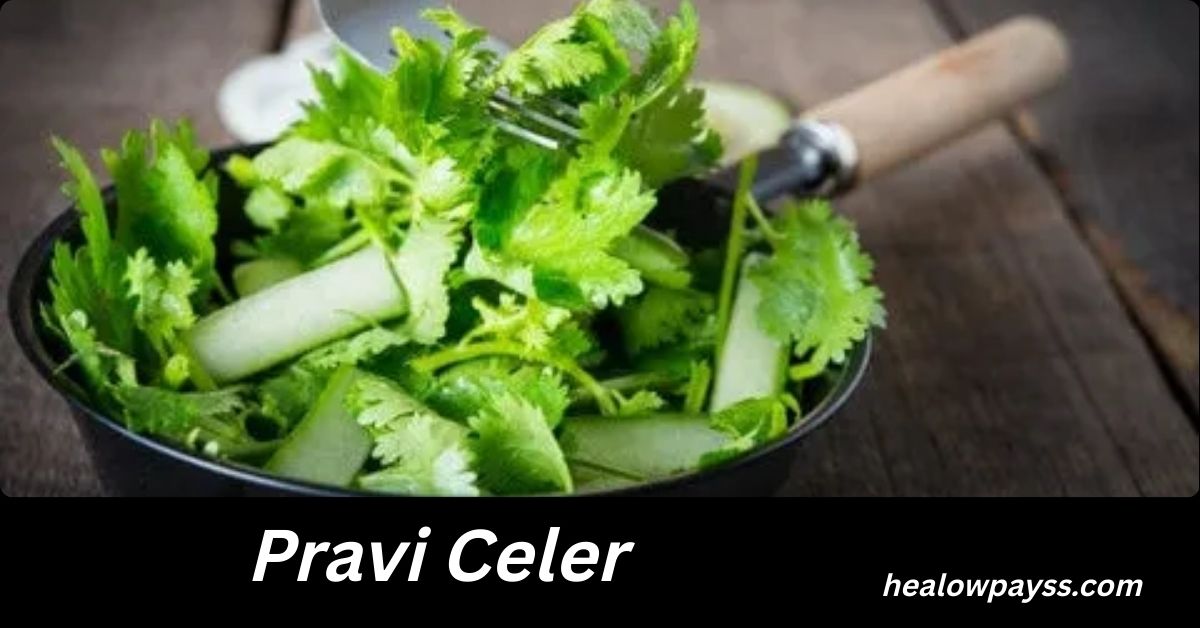
Pravi celer is a traditional, full-flavored celery variety known for its strong aroma and rich taste. Unlike mild supermarket celery, pravi celer delivers deeper flavor, higher aromatic intensity, and a more authentic farm-grown quality. In this guide, you will learn what pravi celer is, how it differs from regular celery, its nutrition facts, health benefits, culinary uses, and why it is gaining popularity in the United States among health-conscious consumers and home cooks.
What Is Pravi Celer?
The name “pravi celer” comes from a Slavic language and means “real celery” or “true celery.” It refers to a cultivated celery plant grown for its intense aroma and full-bodied flavor. Unlike milder commercial celery varieties that are often bred for size and long shelf life, pravi celer is valued for taste above all else.
In the United States, many people are familiar with standard supermarket celery. Most of that celery belongs to the species Apium graveolens, which includes several types such as stalk celery and celeriac. Pravi celer also comes from this same species, but it is usually grown in a more traditional way. Farmers focus on flavor, soil quality, and natural growing cycles instead of only appearance.
Pravi celer stands out because of its deep green color, strong scent, and crisp texture. When you cut it, you can smell its herbal and slightly peppery notes right away. When you taste it, you notice a bold flavor that is more complex than common celery. It can be slightly bitter, slightly sweet, and very aromatic at the same time.
For American home cooks and health-focused families, pravi celer offers a new way to enjoy celery. It brings stronger flavor to soups, salads, juices, and cooked dishes. It also fits well with the growing interest in heirloom vegetables and farm-to-table cooking.
The Botanical Background of Pravi Celer
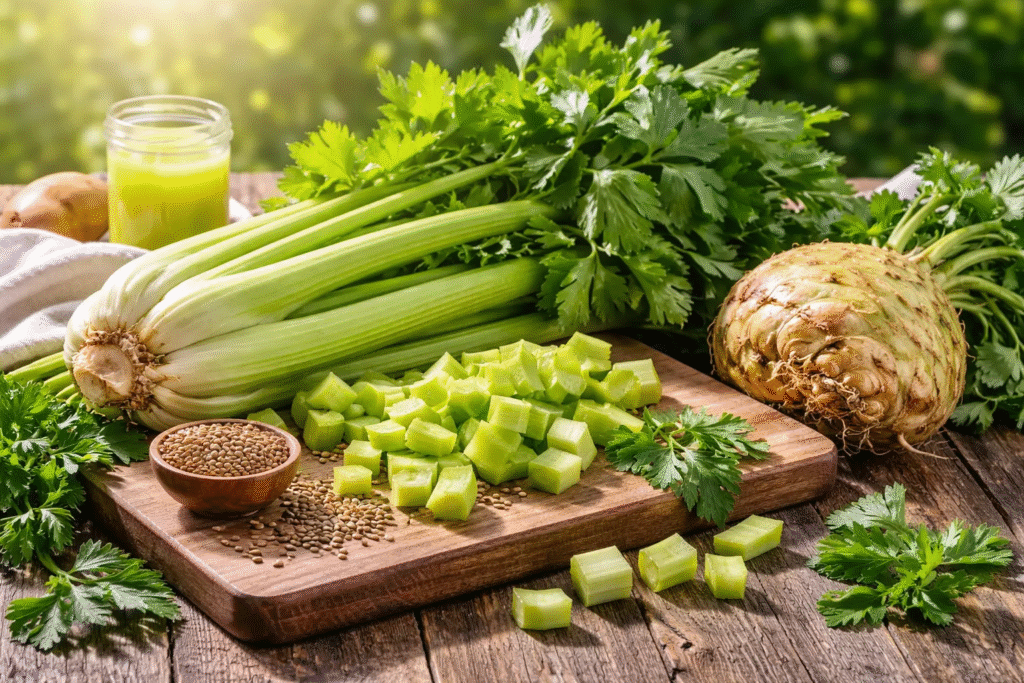
Pravi celer belongs to the plant species Apium graveolens. This species is part of the parsley family, known scientifically as Apiaceae. Other well-known plants in this family include carrots, parsley, fennel, and dill.
Within Apium graveolens, there are different cultivated groups:
• Stalk celery, grown mainly for its crunchy stems
• Celeriac, grown for its large root
• Leaf celery, grown for its fragrant leaves
Pravi celer is usually closer to leaf celery or traditional stalk types, but with stronger flavor. It is often grown from open-pollinated seeds rather than hybrid seeds. This helps preserve its original taste and aroma.
Unlike mass-produced celery, which is often light green and very watery, pravi celer tends to have:
• Darker green stalks
• Thinner but firmer stems
• More compact growth
• Stronger scent
Its stronger flavor comes from natural plant compounds such as essential oils. These compounds are part of what makes celery both tasty and healthy.
Understanding the botanical background of pravi celer helps explain why it tastes different. It is not a different species, but it is grown and selected for quality and flavor, not just size.
The History and Cultural Roots of Pravi Celer
Pravi celer has deep roots in Eastern and Central European food traditions. In many rural areas, families have grown their own celery for generations. The name itself means “real celery,” showing pride in its traditional form.
Celery has been used for thousands of years. Ancient civilizations in the Mediterranean region grew early forms of celery for medicine and flavor. Over time, selective breeding created milder types for mass markets.
Also Read: Sightwive com: Real Time Visual Website Editing Tool
In contrast, pravi celer represents a return to stronger, more original flavors. In traditional kitchens, it was used in:
• Homemade soups
• Broths and stews
• Pickled vegetables
• Fresh herb salads
Immigrants brought these traditions to the United States. Today, as Americans search for authentic foods and heirloom vegetables, interest in pravi celer is rising again.
The farm-to-table movement and interest in organic farming have also helped bring attention to traditional vegetables. Many chefs now look for stronger flavors, and pravi celer meets that demand.
How Pravi Celer Differs From Regular Celery
Many American consumers wonder how pravi celer compares to regular grocery store celery. The differences are clear when you look at taste, texture, and growing style.
Flavor
Regular celery is mild and watery. It is easy to eat raw but may not add strong taste to dishes. Pravi celer has a deeper, more complex flavor. It is more aromatic and sometimes slightly spicy.
Texture
Supermarket celery is thick and juicy. Pravi celer often has slimmer stalks but is more fibrous and crisp. This gives it better structure in cooked dishes.
Aroma
Pravi celer has a powerful herbal smell. When chopped, it releases strong natural oils that enhance soups and sauces.
Growing Practices
Commercial celery is often grown with heavy irrigation and fertilizers to increase size. Pravi celer is usually grown in smaller farms or home gardens, focusing on soil health and traditional seed lines.
Because of these differences, pravi celer is often preferred by chefs who want more flavor in smaller amounts.
Nutritional Value of Pravi Celer
Like other celery varieties, pravi celer is low in calories and high in water. But its stronger taste may suggest higher levels of beneficial plant compounds.
A typical serving of celery provides:
• Vitamin K
• Vitamin C
• Potassium
• Folate
• Fiber
Pravi celer also contains antioxidants and phytonutrients. These include flavonoids and essential oils that support overall health.
The darker color of pravi celer may indicate higher concentrations of these plant compounds. While scientific studies focus on celery in general, traditional varieties like pravi celer may offer similar or even enhanced nutritional value.
For health-conscious Americans, pravi celer fits well into balanced diets such as:
• Mediterranean-style diets
• Plant-based diets
• Low-calorie meal plans
It adds flavor without adding extra calories.
Health Benefits of Pravi Celer
Pravi celer offers several potential health benefits due to its nutrient profile and plant compounds.
Supports Heart Health
Celery contains potassium, which helps maintain healthy blood pressure levels. A diet rich in vegetables like pravi celer may support cardiovascular health.
ALso Read: Plangud: A Complete, In-Depth Guide to the Framework
Provides Antioxidants
Antioxidants help protect cells from damage caused by free radicals. The strong aroma of pravi celer suggests a rich content of natural oils and flavonoids.
Aids Digestion
Fiber in celery supports digestive health. It can help promote regular bowel movements and support gut balance.
Hydration
Celery has high water content. Eating pravi celer contributes to daily hydration needs.
While no single food is a cure-all, adding flavorful vegetables like pravi celer to your meals supports overall wellness.
Culinary Uses of Pravi Celer in American Kitchens
Pravi celer is very versatile. Its bold flavor makes it useful in many dishes.
Soups and Broths
Because of its strong aroma, pravi celer enhances homemade chicken soup, vegetable broth, and beef stew. A small amount can add deep flavor.
Fresh Salads
Thinly sliced pravi celer adds crunch and herbal notes to salads. It pairs well with apples, walnuts, and citrus dressings.
Juicing
Celery juice is popular in the United States. Using pravi celer can create a stronger, more complex juice flavor.
Roasted Dishes
Roasting brings out natural sweetness. Pravi celer can be roasted with carrots, onions, and olive oil for a flavorful side dish.
Herb Blends
Chopped leaves of pravi celer can be used like parsley in sauces and garnishes.
For American cooks who want more taste without extra salt, pravi celer is a smart choice.
Growing Pravi Celer at Home
Home gardening is growing in popularity across the United States. Pravi celer can be grown in many climates with proper care.
Climate and Soil
Celery prefers cool weather and rich, well-drained soil. It needs consistent moisture but not waterlogged conditions.
Planting
Seeds can be started indoors 8 to 10 weeks before the last frost. Transplant seedlings outside once temperatures are mild.
Care
Regular watering is important. Adding compost improves soil health and flavor.
Harvest
Pravi celer can be harvested when stalks are firm and deep green. Leaves can also be harvested for cooking.
Growing pravi celer at home allows gardeners to enjoy its full flavor and control growing conditions.
Pravi Celer and the Farm-to-Table Movement
The farm-to-table movement focuses on local, seasonal, and flavorful produce. Pravi celer fits perfectly into this trend.
Small farms often grow heirloom vegetables that are not widely available in supermarkets. Pravi celer represents this return to real taste.
Consumers in the United States are increasingly interested in:
• Organic farming
• Sustainable agriculture
• Authentic food traditions
Pravi celer aligns with these values because it emphasizes quality over mass production.
Buying and Storing Pravi Celer
When shopping for pravi celer, look for:
• Firm, crisp stalks
• Deep green color
• Fresh, fragrant leaves
Avoid wilted or yellowing stems.
Storage Tips
Store pravi celer in the refrigerator wrapped in a damp paper towel. Keep it in a breathable bag. It usually stays fresh for about one week.
Because of its strong aroma, store it separately from foods that easily absorb smells.
Why Pravi Celer Is Gaining Popularity in the US
There are several reasons why pravi celer is becoming more popular among American consumers.
Interest in Authentic Flavors
People want food that tastes real and natural.
Health Awareness
Low-calorie, nutrient-rich vegetables are in demand.
Home Cooking Trends
More people cook at home and want ingredients that add depth to dishes.
Also Read: Pasonet: The Modern Digital Payment Platform
Culinary Exploration
American consumers enjoy trying international foods and traditional ingredients.
Pravi celer meets all these trends at once.
Frequently Asked Questions About Pravi Celer
What makes pravi celer stronger in flavor than regular celery?
Pravi celer is grown for taste, not size. It contains more natural aromatic compounds, which create a stronger flavor.
Is pravi celer organic?
It depends on the farm. Many small growers use organic methods, but always check labels or ask the farmer.
Can children eat pravi celer?
Yes. However, because it has a stronger taste, some children may prefer it cooked rather than raw.
Does pravi celer taste bitter?
It can have a slightly bitter note, but this bitterness adds complexity and balance in cooking.
Can I replace regular celery with pravi celer in recipes?
Yes. You may need to use a smaller amount because the flavor is stronger.
Is pravi celer the same as celeriac?
No. Celeriac is grown for its root, while pravi celer is usually grown for its stalks and leaves.
Does cooking reduce the strong flavor?
Yes. Cooking softens the sharp notes and brings out natural sweetness.
Is pravi celer good for weight loss diets?
Yes. It is low in calories and high in water and fiber, making it a healthy addition to weight management plans.
Final Thoughts on Pravi Celer
Pravi celer represents more than just a vegetable. It reflects a return to authentic flavor, traditional farming, and mindful eating. While it belongs to the same species as common celery, Apium graveolens, it offers a richer and more aromatic experience.
For American consumers seeking better taste, improved nutrition, and connection to food traditions, pravi celer is an excellent choice. It works in soups, salads, juices, and roasted dishes. It supports healthy eating patterns and fits well into modern culinary trends.
As interest in heirloom and flavorful vegetables grows, pravi celer is likely to become more visible in farmers markets, specialty stores, and home gardens across the United States.
Choosing pravi celer means choosing real flavor. It means bringing depth and aroma back into everyday meals. And in a world where many foods are designed for appearance and shelf life, pravi celer reminds us what vegetables are meant to taste like.
