


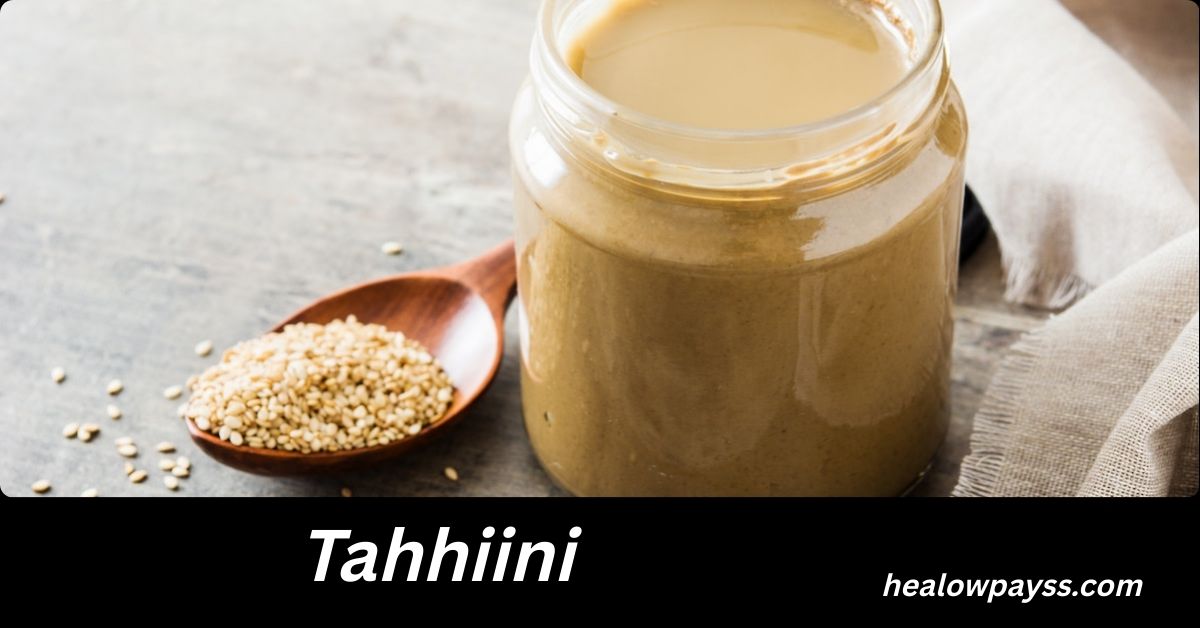
Tahhiini is one of the most underrated superfoods hiding in plain sight. This creamy, nutty paste made from ground sesame seeds has been a staple in Middle Eastern and Mediterranean kitchens for thousands of years, yet many people in the United States are only beginning to discover its full value.
Most online information about tahhiini only scratches the surface. This guide goes much deeper. You will learn what tahhiini really is, how it is made, why it is so nutritious, how to choose the best quality, how to store it, and how to use it in everyday cooking. You will also understand its history, cultural importance, and modern health research that proves why tahhiini deserves a place in your pantry.
This article is written in very easy US English, designed for everyday readers, and carefully optimized for the keyword tahhiini and its related terms.
What Is Tahhiini?
Tahhiini is a smooth paste made from sesame seeds that are soaked, hulled, roasted, and ground into a thick, creamy texture. It looks similar to peanut butter but has a lighter color and a more delicate, nutty taste.
Unlike peanut butter or almond butter, tahhiini is made from seeds, not nuts. This makes it suitable for people with nut allergies. Tahhiini is also naturally vegan, gluten free, dairy free, and packed with nutrients.
You may have already eaten tahhiini without knowing it. It is the main ingredient in hummus, baba ghanoush, halva, and many Middle Eastern sauces and dressings.
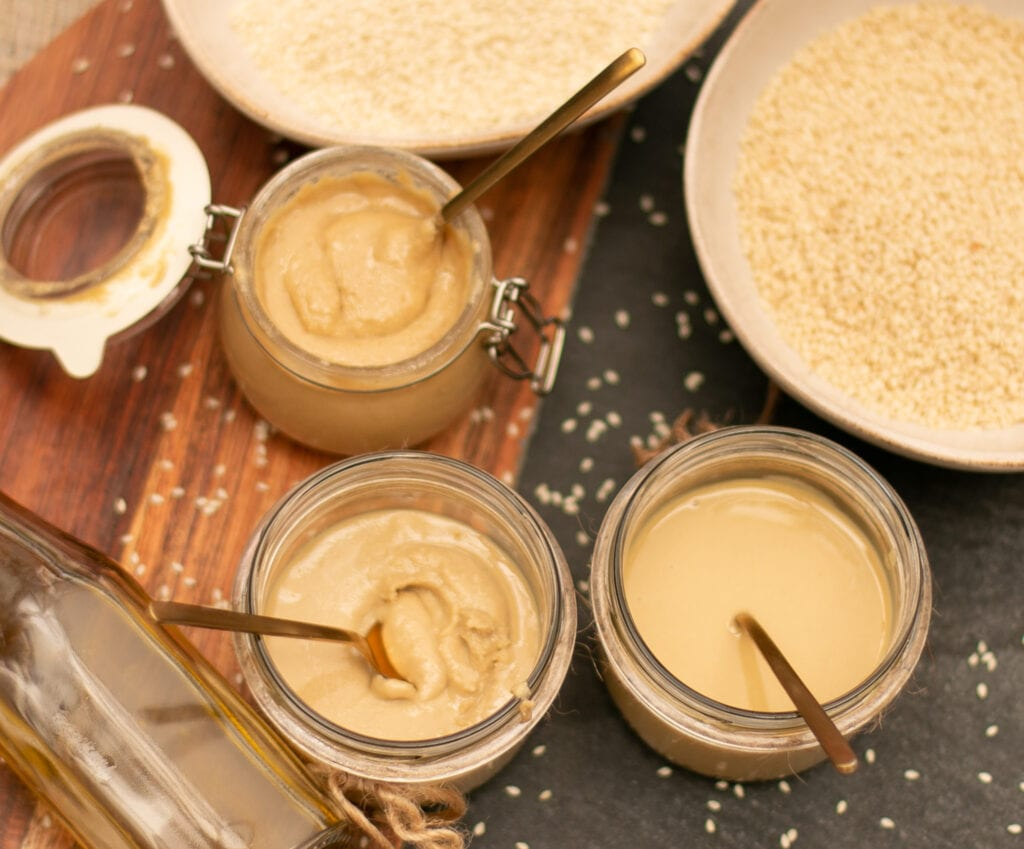
The History of Tahhiini
Tahhiini is not a new food trend. It has existed for thousands of years.
Sesame seeds were first cultivated in ancient regions of Mesopotamia and the Indus Valley. Historical records show that sesame was used for oil and paste as early as 3000 BC. Ancient Egyptians, Persians, Greeks, and Arabs all used sesame paste in their diets.
In traditional Middle Eastern homes, tahhiini has always been considered a basic kitchen ingredient, just like olive oil or bread. It was valued not only for taste but also for strength and energy.
Today, tahhiini is spreading around the world as people learn more about plant based eating and nutrient rich foods.
Also read: Pentikioyr: The Complete Guide to Structure, Purpose, and the Hidden Conditions That Shape Results
How Tahhiini Is Made
Understanding how tahhiini is made helps you recognize quality.
The process includes:
- Cleaning and soaking sesame seeds
- Removing the outer shell (hulling)
- Lightly roasting the seeds to enhance flavor
- Grinding the seeds into a paste
High quality tahhiini contains only one ingredient: sesame seeds. No oils, no salt, no preservatives.
Some brands skip important steps, which leads to bitter taste or gritty texture. Traditional methods produce smooth, rich, and slightly sweet tahhiini.
Types of Tahhiini
Not all tahhiini is the same. The taste and color depend on how the sesame seeds are treated.
Hulled Tahhiini
This is the most common type. The outer shell is removed. It has a mild flavor and smooth texture.
Unhulled Tahhiini
Made with whole sesame seeds. It is darker, thicker, and slightly more bitter but contains more fiber and minerals.
Raw Tahhiini
Seeds are not roasted. The taste is lighter and less nutty.
Roasted Tahhiini
Seeds are roasted before grinding. This gives a deeper, richer flavor.
Nutritional Value of Tahhiini
Tahhiini is often called a nutrient powerhouse.
One tablespoon of tahhiini contains:
- Healthy fats
- Plant protein
- Fiber
- Calcium
- Iron
- Magnesium
- Zinc
- Vitamin B1
- Vitamin B6
- Antioxidants
Unlike many spreads, tahhiini contains mostly unsaturated fats, which are good for heart health.
Health Benefits of Tahhiini
Modern research now supports what ancient cultures already knew.
Supports Heart Health
Tahhiini is rich in healthy fats that help reduce bad cholesterol.
Strengthens Bones
Tahhiini contains more calcium than milk by weight. This makes it excellent for bone health, especially for people who do not consume dairy.
Improves Digestion
The fiber in tahhiini helps maintain healthy digestion and gut balance.
Boosts Energy
The combination of protein, fats, and minerals provides long lasting energy.
Supports Brain Function
Tahhiini contains magnesium and B vitamins that are essential for brain health.
Helps With Inflammation
Sesame seeds contain natural compounds that reduce inflammation in the body.
Tahhiini for Special Diets
Tahhiini fits into many modern diets:
- Vegan diet
- Vegetarian diet
- Gluten free diet
- Dairy free diet
- Paleo diet
- Mediterranean diet
- Plant based diet
Because it is allergen friendly and nutrient dense, many dietitians recommend tahhiini.
How Tahhiini Is Used in Cooking
Tahhiini is very versatile. It can be used in both savory and sweet dishes.
Savory Uses
- Hummus
- Salad dressings
- Sandwich spreads
- Sauces for grilled vegetables
- Marinades for chicken or fish
- Pasta sauces
- Dips for bread and veggies
Sweet Uses
- Cookies and brownies
- Smoothies
- Energy bars
- Pancake topping
- Ice cream flavoring
- Halva dessert
How to Make Tahhiini Sauce
A simple tahhiini sauce can transform any meal.
Mix:
- 3 tablespoons tahhiini
- 2 tablespoons lemon juice
- 1 small garlic clove
- Warm water
- Salt
Whisk until smooth. This sauce works on salads, bowls, and roasted vegetables.
How to Choose the Best Tahhiini
Look for:
- Only sesame seeds in the ingredient list
- Light beige color
- Smooth, pourable texture
- No bitterness
- Stored in glass jars when possible
Avoid brands with added oils.
How to Store Tahhiini
Also read: Application Mobile DualMedia: The Complete Guide to a Powerful Multifunctional Media Platform
Tahhiini naturally separates. Oil rises to the top. This is normal.
Stir well before use.
Store in a cool place. Refrigeration is optional but extends freshness.
Common Mistakes People Make With Tahhiini
- Thinking it has gone bad when oil separates
- Not stirring before use
- Buying low quality brands with bitter taste
- Using too much at once because of thick texture
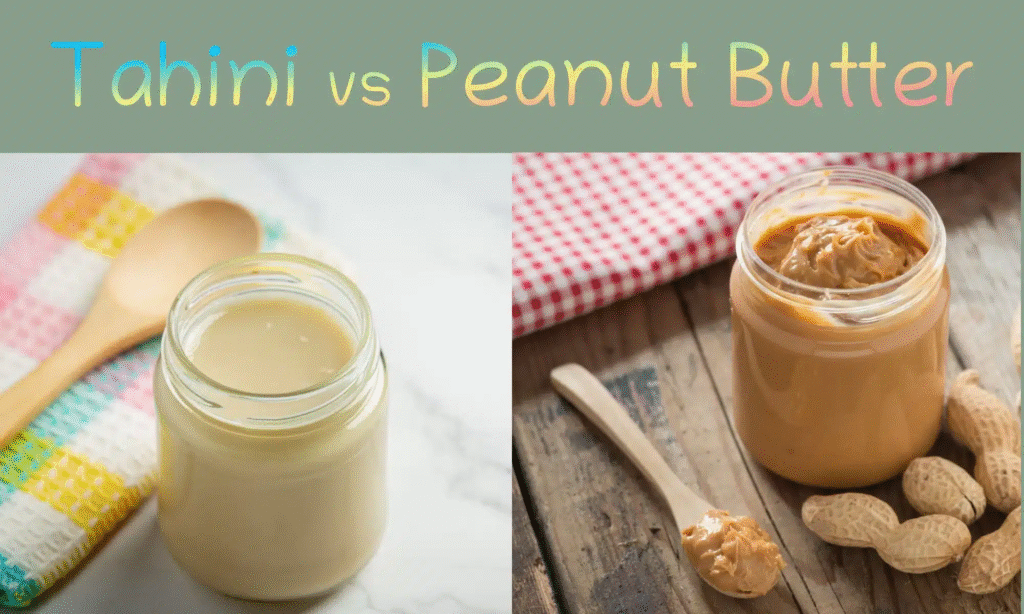
Tahhiini vs Peanut Butter
Tahhiini has less sugar, more minerals, and is seed based. It is also less sweet and more savory.
Tahhiini and Weight Management
Tahhiini is calorie dense but very filling. Small amounts help control hunger and reduce overeating.
Tahhiini in Modern American Kitchens
Tahhiini is now used in:
- Smoothie bowls
- Grain bowls
- Healthy desserts
- Vegan recipes
- Salad dressings
Chefs and home cooks are rediscovering its value.
Cultural Importance of Tahhiini
Tahhiini is more than food. In many cultures, it represents hospitality and tradition. It is present at family meals, celebrations, and daily life.
Tahhiini for Kids and Families
Tahhiini is safe for kids and offers important nutrients for growth. It can be mixed into yogurt, oatmeal, or spread on toast.
Tahhiini and Skin Health
Sesame oils and antioxidants support healthy skin from the inside out.
Tahhiini and Plant Protein
Tahhiini provides a good amount of plant protein, making it excellent for vegetarians.
Is Tahhiini Safe for Everyone
Most people can eat tahhiini safely. However, people with sesame allergies should avoid it.
Easy Tahhiini Recipes
- Tahhiini lemon dressing
- Tahhiini chocolate spread
- Tahhiini banana smoothie
- Tahhiini roasted vegetable sauce
Why Tahhiini Is Considered a Superfood
Because it combines minerals, healthy fats, antioxidants, and protein in one natural food.
Environmental Benefits of Tahhiini
Sesame farming requires less water compared to nuts. Tahhiini is more sustainable than many nut butters.
The Growing Popularity of Tahhiini
As plant based diets grow, tahhiini is becoming a pantry staple in the US.
Frequently Asked Questions About Tahhiini
Can tahhiini be eaten every day?
Yes. In moderate amounts, tahhiini is very healthy for daily consumption.
Why does tahhiini taste bitter sometimes?
Low quality seeds or over roasting can cause bitterness.
Can tahhiini replace butter or mayonnaise?
Yes. It works very well as a healthier replacement.
Is tahhiini good for diabetics?
Tahhiini has a low glycemic index and does not spike blood sugar.
Can you cook with tahhiini at high heat?
Yes, but it is best used in sauces or added after cooking.
Does tahhiini need refrigeration after opening?
Not required, but it lasts longer when refrigerated.
Is tahhiini keto friendly?
Yes. It is low in carbs and high in healthy fats.
Final Thoughts on Tahhiini
Tahhiini is not just an ingredient. It is a timeless, nutrient rich food that fits perfectly into modern healthy eating. Its history, versatility, and health benefits make it one of the most valuable foods you can add to your kitchen.
By understanding how to choose, store, and use tahhiini, you unlock a world of flavor and nutrition that many people are only beginning to explore.
