


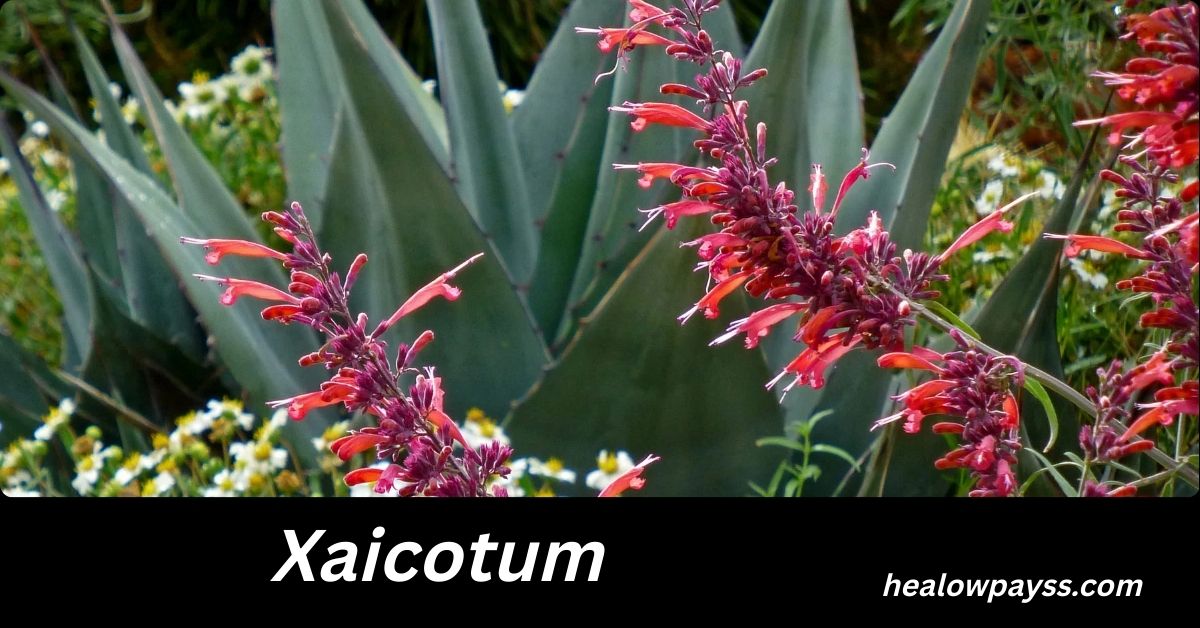
Xaicotum is a fascinating plant that has gained increasing attention in recent years due to its striking appearance, versatile uses, and growing cultural and economic relevance. Found mainly in tropical and subtropical regions, xaicotum is known for its resilience, adaptability, and wide range of applications in traditional practices, landscaping, wellness, and local economies.
While many online sources briefly describe xaicotum, this article goes far beyond basic summaries.
What Is Xaicotum?
Xaicotum is a herbaceous plant that thrives in warm, humid environments. It is often recognized for its bold leaf patterns, strong stems, and vibrant natural structure. Unlike many ornamental plants, xaicotum combines beauty with function, making it valuable across multiple fields.
The plant is typically grown in tropical forests, open grasslands, and cultivated gardens. It adapts well to different soil types, provided there is adequate moisture and sunlight. Over time, xaicotum has become a symbol of balance between nature and utility.
One of the reasons xaicotum stands out is its ability to serve multiple purposes without heavy processing. Many plants are valued either for appearance or for use, but xaicotum bridges both worlds.
The Botanical Background of Xaicotum
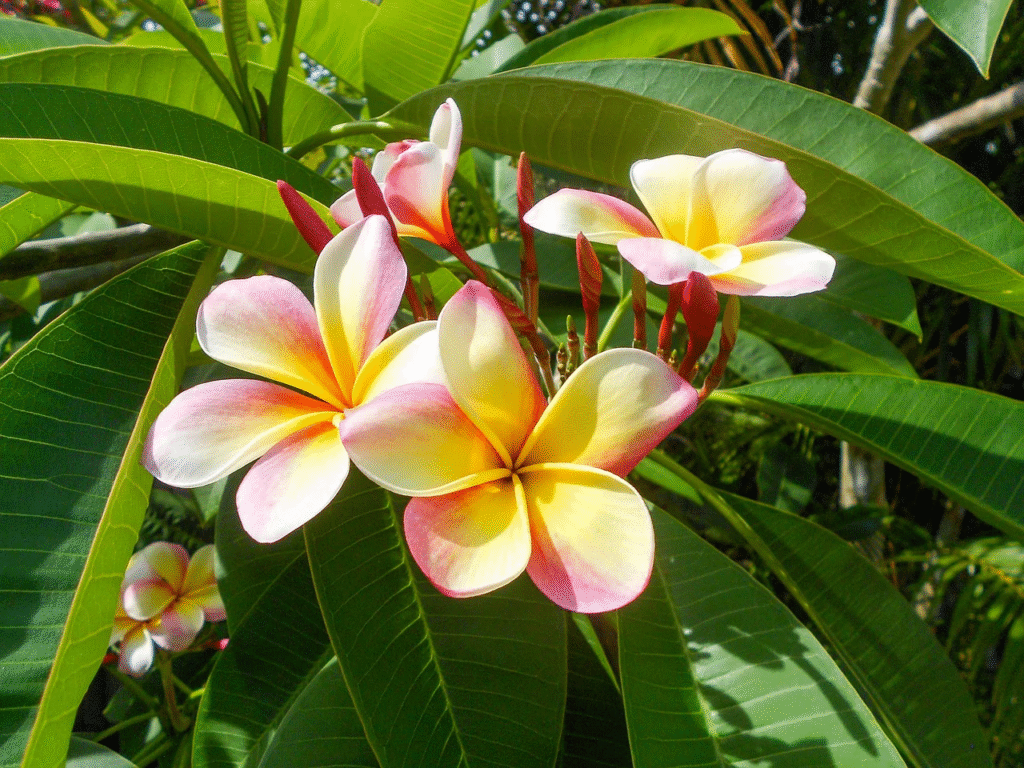
From a botanical perspective, xaicotum belongs to a group of fast-growing herbaceous plants. It completes its growth cycle efficiently, which makes it attractive for cultivation and research.
Key botanical characteristics include:
- Broad, textured leaves that help regulate moisture
- A fibrous root system that improves soil stability
- Natural resistance to many pests
- Strong adaptability to changing climates
These features allow xaicotum to survive in environments where other plants struggle. Its natural structure supports surrounding ecosystems, making it valuable beyond human use.
Where Xaicotum Grows Naturally
Xaicotum is primarily found in tropical regions where warm temperatures and seasonal rainfall create ideal growing conditions. These regions include parts of Central America, South America, Southeast Asia, and some island ecosystems.
In recent years, experimental cultivation has shown that xaicotum can also grow in controlled environments in the southern United States. Greenhouses and managed outdoor gardens in states with warm climates have successfully supported healthy xaicotum growth.
This expansion has increased interest in the plant, especially among researchers and sustainable agriculture advocates.
Also Read: Keyword Optimization by Garage2Global: The Complete Guide to Ranking, Relevance, and Real Growth
Cultural Importance of Xaicotum
Xaicotum holds cultural value in many communities where it grows naturally. For generations, local populations have used the plant in daily life, rituals, and traditional knowledge systems.
In some cultures, xaicotum is associated with renewal and strength. Its fast regrowth after harvesting symbolizes resilience and continuity. This symbolic meaning has helped preserve traditional uses even as modern practices evolve.
Understanding the cultural context of xaicotum is essential. It ensures that modern use respects traditional knowledge and avoids exploitation.
Traditional Uses of Xaicotum
Historically, xaicotum has been used in several practical ways. These uses developed through observation and long-term experience rather than modern science alone.
Traditional applications include:
- Natural fiber production
- Herbal preparations for general wellness
- Soil enrichment and erosion control
- Decorative elements in communal spaces
While not all traditional uses are scientifically verified, they provide valuable insight into the plant’s versatility and importance.
Modern Applications of Xaicotum
In today’s world, xaicotum is being rediscovered and re-evaluated for modern needs. Researchers and entrepreneurs are exploring how this plant fits into sustainable systems.
Modern uses include:
- Eco-friendly landscaping
- Sustainable packaging research
- Natural material development
- Botanical education and research
One key insight is that xaicotum aligns well with sustainability goals. It grows quickly, requires minimal chemical input, and supports biodiversity.
Xaicotum in Sustainable Gardening
Gardening trends in the United States increasingly focus on sustainability, and xaicotum fits perfectly into this movement.
Benefits for gardeners include:
- Low maintenance requirements
- Natural pest resistance
- Soil improvement qualities
- Visual appeal throughout the year
For gardeners looking to reduce water use and chemical fertilizers, xaicotum offers a practical solution.
Economic Potential of Xaicotum
Xaicotum also has economic value. In regions where it is cultivated, the plant contributes to local income through small-scale farming and craft industries.
Potential economic benefits include:
- Job creation in cultivation and processing
- Support for local markets
- Opportunities for eco-friendly product development
As demand for natural and sustainable materials grows, xaicotum could play a larger role in green economies.

Environmental Impact of Xaicotum
One of the strongest arguments for promoting xaicotum is its positive environmental impact.
The plant helps:
- Reduce soil erosion
- Improve soil quality
- Support insect and wildlife habitats
- Lower reliance on synthetic materials
Unlike resource-intensive crops, xaicotum supports environmental balance rather than disrupting it.
Xaicotum and Climate Adaptability
Climate change has increased interest in plants that can withstand environmental stress. Xaicotum shows strong adaptability to heat, irregular rainfall, and changing soil conditions.
Also Read: Esports News Dualmediaa: The Most Trusted Source for Modern Competitive Gaming
This resilience makes it a promising candidate for future agricultural research. Plants like xaicotum may help communities adapt to unpredictable climates while maintaining productivity.
Health and Wellness Perspectives on Xaicotum
While xaicotum is not widely used in mainstream medicine, it has long been part of traditional wellness practices. These practices focus on overall balance rather than targeted treatment.
Important note for readers: any wellness-related use of xaicotum should be approached cautiously and discussed with qualified professionals. Traditional use does not replace medical advice.
Modern research is still exploring its potential, and responsible use is essential.
Scientific Research and Xaicotum
Scientific interest in xaicotum is growing. Researchers are studying its chemical composition, growth behavior, and ecological role.
Areas of research include:
- Natural compounds within the plant
- Fiber strength and durability
- Environmental restoration applications
While more studies are needed, early findings suggest xaicotum has untapped potential.
Challenges and Limitations of Xaicotum
Despite its benefits, xaicotum is not without challenges.
Some limitations include:
- Limited large-scale cultivation data
- Need for more scientific validation
- Risk of overharvesting in native regions
Responsible development and research are key to avoiding these issues.
Ethical and Responsible Use of Xaicotum
Ethical considerations are essential when expanding the use of xaicotum. Respecting indigenous knowledge, protecting natural habitats, and ensuring fair economic practices are critical.
Sustainable guidelines should include:
- Controlled harvesting
- Fair compensation for local communities
- Environmental monitoring
These steps help ensure that xaicotum benefits everyone involved.
How Xaicotum Compares to Similar Plants
When compared to other tropical plants, xaicotum stands out for its balance of strength, beauty, and adaptability.
Unlike many single-use plants, xaicotum offers:
- Multiple applications
- Lower environmental impact
- Strong cultural roots
This makes it a unique and valuable resource.
Future Outlook for Xaicotum
The future of xaicotum looks promising. As sustainability becomes a priority, plants like xaicotum are likely to gain attention.
Potential future developments include:
- Expanded research funding
- Integration into green infrastructure
- New eco-friendly products
With careful management, xaicotum could become a model for sustainable plant use.
How to Grow Xaicotum at Home
For those interested in growing xaicotum, the process is relatively simple.
Basic guidelines include:
- Warm temperatures
- Well-drained soil
- Regular but moderate watering
- Partial to full sunlight
With proper care, xaicotum can thrive in home gardens and controlled environments.
Misconceptions About Xaicotum
There are several misconceptions surrounding xaicotum.
Common myths include:
- It is difficult to grow
- It has only decorative value
- It requires heavy chemical care
In reality, xaicotum is adaptable, practical, and environmentally friendly.
Why Xaicotum Matters Today
Xaicotum matters because it represents a shift in how we view plants. It is not just something to look at or use once. It is a renewable, multifunctional resource that supports sustainability, culture, and innovation.
In a world facing environmental and economic challenges, xaicotum offers lessons in balance and resilience.
Also Read: Application Mobile DualMedia: The Complete Guide to a Powerful Multifunctional Media Platform
Frequently Asked Questions About Xaicotum
Is xaicotum safe to grow around pets?
There is limited research on xaicotum and pets. It is best to keep pets from chewing on any unfamiliar plant and consult a veterinarian if concerned.
Can xaicotum be grown indoors?
Yes, xaicotum can grow indoors if it receives enough light and humidity. Greenhouse conditions are ideal.
Does xaicotum require fertilizers?
Xaicotum generally requires minimal fertilizer. Organic compost is usually sufficient.
Is xaicotum invasive?
When managed responsibly, xaicotum is not considered invasive. However, uncontrolled growth should be avoided outside its native range.
Can xaicotum be used in educational programs?
Yes, xaicotum is excellent for education due to its fast growth and visible impact on soil and ecosystems.
What makes xaicotum different from other tropical plants?
Its combination of adaptability, cultural importance, and sustainability sets xaicotum apart.
Final Thoughts on Xaicotum
Xaicotum is more than a plant. It is a symbol of sustainable potential, cultural wisdom, and ecological balance. By understanding and respecting xaicotum, we can make better choices about how we interact with the natural world.
This comprehensive guide aims to provide clarity, depth, and original insight into xaicotum. As interest continues to grow, informed and ethical engagement will ensure that xaicotum remains a valuable resource for generations to come.
